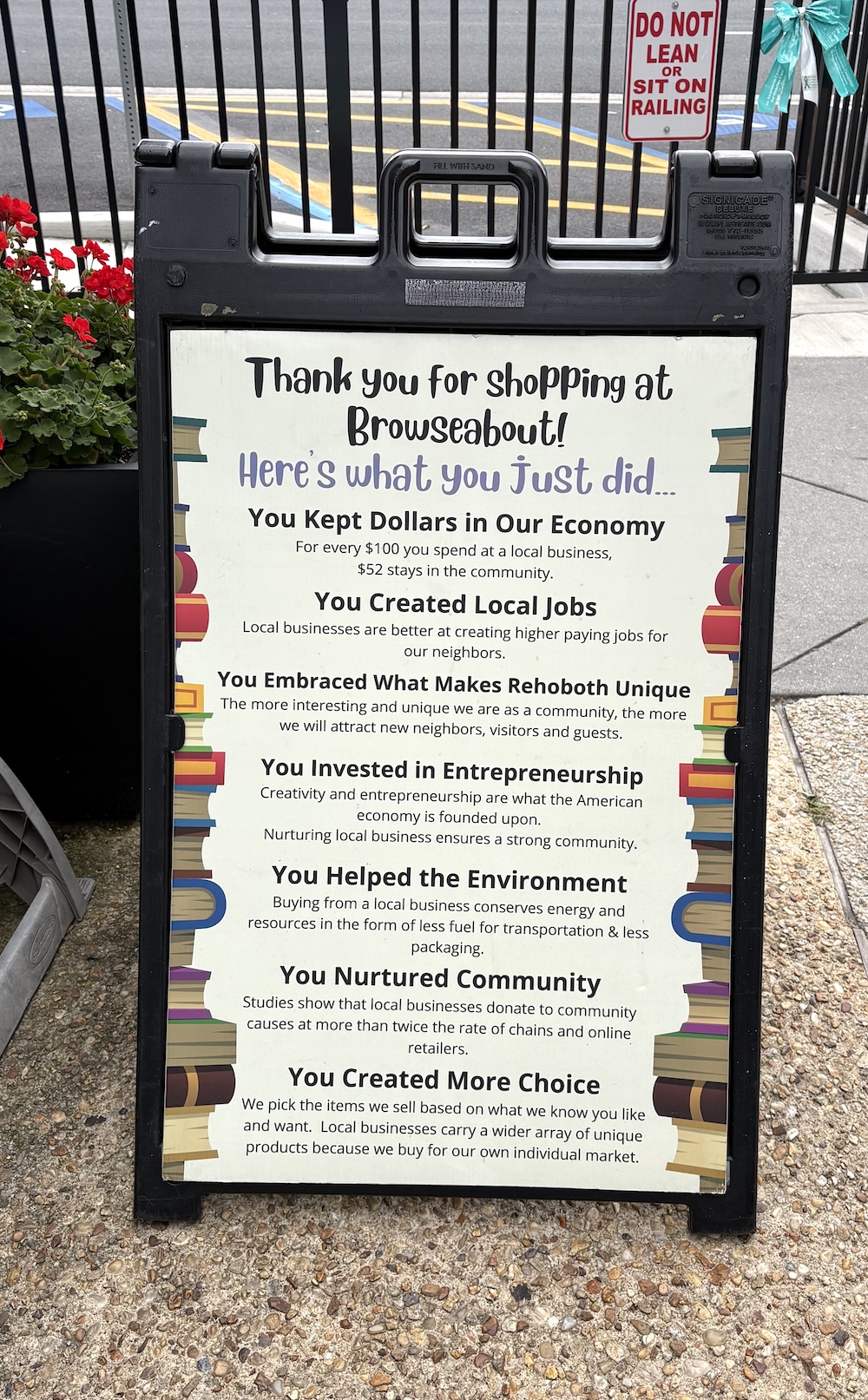
I have always appreciated independent bookstores, charming shops of hand-curated collections and custom displays, and I came to realize the extent to which these businesses serve their communities after I began working at Browseabout Books in Rehoboth Beach, DE. Independent stores are economic, social, artistic, and educational engines serving the people closest to them— families living down the street, students developing work skills before launching into new lives, and surrounding small-town businesses to name a few. Expanding awareness of the vital roles independent stores play and small changes in our purchasing habits can go a long way to strengthen our small towns and cities.
Purchases made at independent stores keep money within communities. A 2007 study in Austin, Texas by Civic Economics found for every $100 spent at Austin’s Borders (a national bookstore chain at the time), $13 was returned to the community; $100 spent at BookPeople, an independent store, resulted in $45 returned to the community. Books and gift items bought at independent stores provide wages to fellow community members, pay local artisans for goods they create, and support community services through local taxation and charitable contributions. A 2019 Civic Economics study conducted in partnership with the American Booksellers Association concluded:
“…profits earned by resident ownership of independent retailers will remain in the local economy. These profits may be reinvested locally, whether through further investment in the independent business or in the community at large. Purchases at chain and online outlets generate profits for the corporation, which then either reinvests in global operations or distributes a portion of profits to shareholders. In either case, chain store profits returning to the local economy are nominal at best. The same holds true for Amazon.”
When an independent store opens and thrives, ancillary businesses like sandwich shops, bakeries, specialty gift shops, and coffee houses follow, all of which work together to promote local economic health. I see this first-hand when customers enter Browseabout Books with bags and take-out containers from local proprietors.
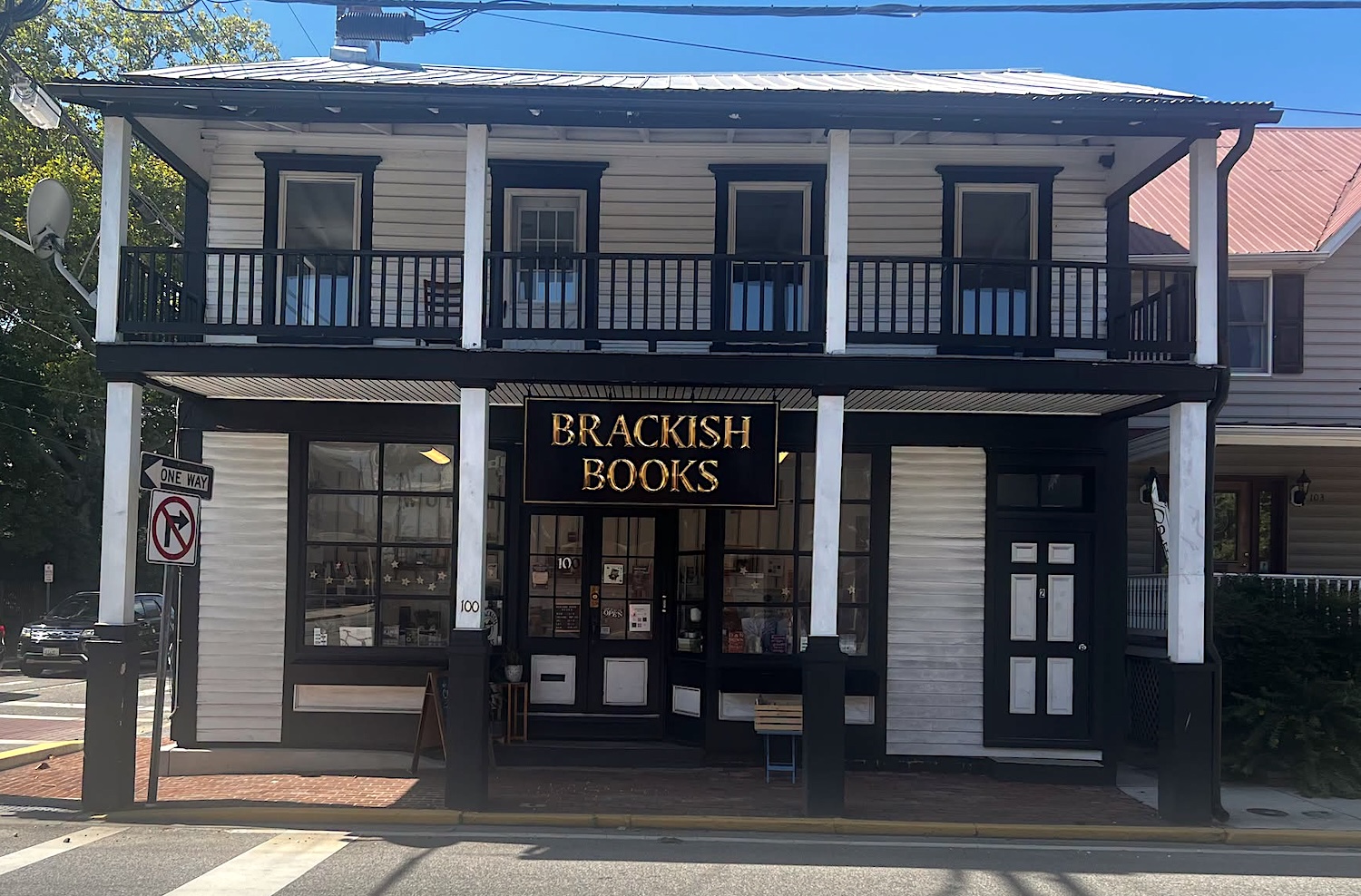
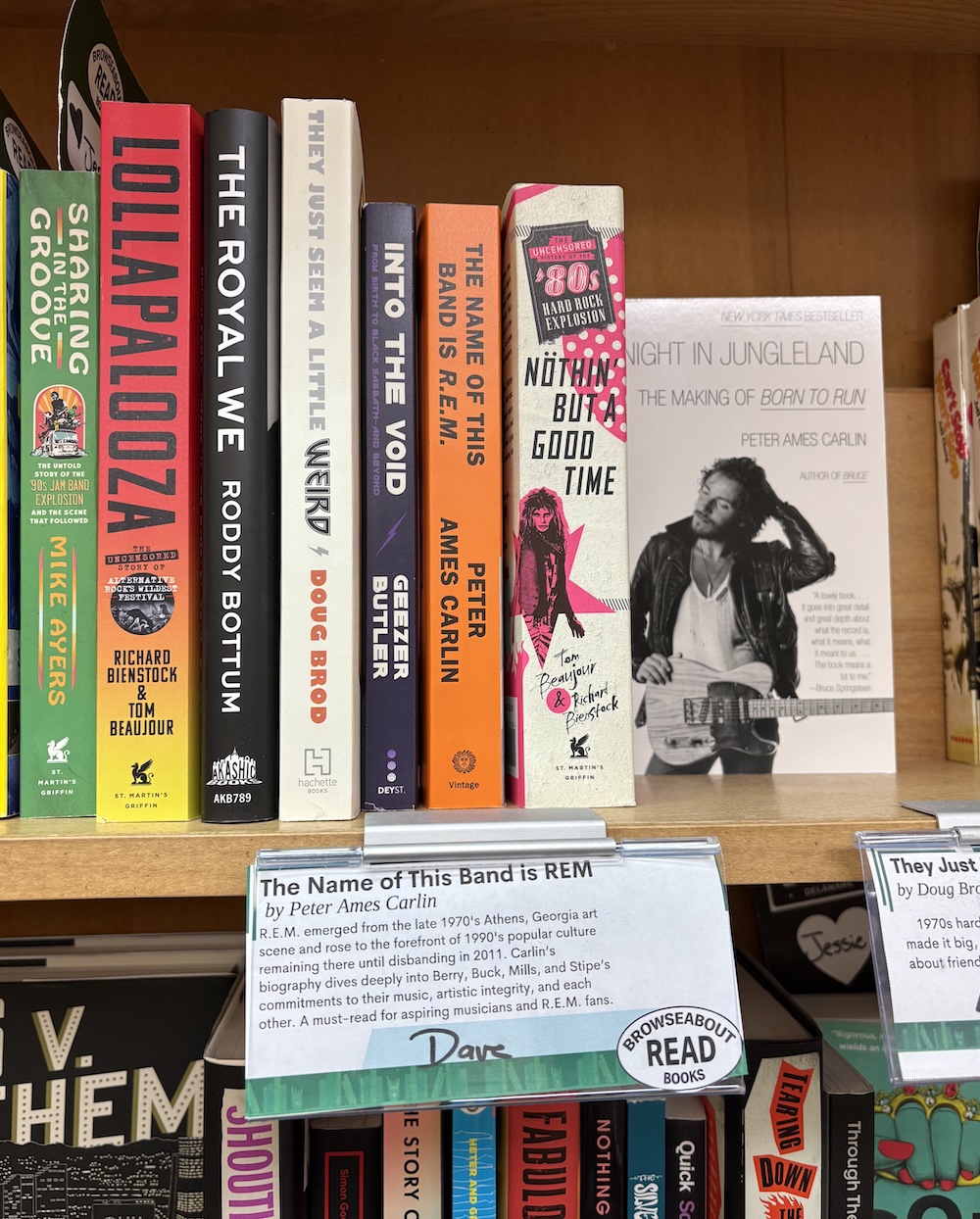
Independent stores strengthen neighborhoods through social connections. My workdays involve sharing opinions, insights, and ideas surrounding books. Talking with customers about what they are looking for in a story or reference, making recommendations, and discovering new titles are my favorite tasks. Independent stores enable ongoing dialogues between community members and staff who know their communities, which occur through relationships online reviews cannot provide. Local events such as book clubs, release parties, book signings, author panel discussions, and fundraisers draw people together and create social connections based upon shared interests.
Book signings and author appearances sponsored by independent stores provide writers and illustrators opportunities to share their talents and works. I have worked, as an author, with Browseabout Books, Brackish Books, The Greyhound Bookstore and Fine Arts Gallery, and the Eastern Shore Writers’ Association over the past year participating in two book festivals and six book signings, during which I networked with many fellow authors who, like me, benefited directly from independent booksellers through audience growth, sales, and simple encouragement. Such locally sponsored events also give voice to a variety of perspectives and ideas big box and digital retailers interested primarily in scaled return potentials and reports of trending searches may otherwise ignore.

Students and educational institutions also benefit from close ties to independent stores. I have helped many customers find books to use with tutors, fulfill summer reading lists, and address syllabi for upcoming classes. Many education-focused book lists include choices and optional readings best explored through dialog with experienced booksellers familiar with local schools. Independent stores also sponsor and help school librarians conduct bookfairs, which help to ignite the love of reading in our youth.
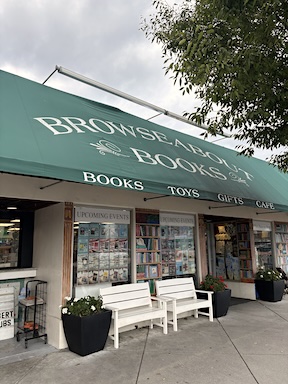
Small changes in where we make purchases can go a long way to support independent stores and improve local economies. A 2008 Civic Economic study entitled “Local Works: Examining the Impact of Local Business on the West Michigan Economy” found diverting 10% of chain purchases to local businesses would result in $140 million in new economic activity and 1,600 new jobs. Purchasing from an independent store at least one out of ten books otherwise ordered through Amazon or bought at a box store (including box store websites) would satisfy, roughly, this 10%.
Small changes in how we purchase books can also have a considerable positive impact. A primary reason customers order books from large online retailers is convenience, but online alternatives dedicated to supporting independent stores exist. Bookshop.org is an online bookseller through which you can select a local bookstore to receive a portion of the book’s purchase price. Libro.fm is an audio book retailer working from the same model. Finally, most independent stores will gladly ship books using USPS media rates, which are significantly lower than standard rates. Browseabout Books routinely processes such book orders through their website and over the phone.
Works Cited
“Local Works: Examining the Impact of Local Business on the West Michigan Economy.” Civic Economics. 2008. Accessed online 9/29/26. https://nebula.wsimg.com/c9188c7a61817fd6dc3826b3f4df1ede?AccessKeyId=8E410A17553441C49302&disposition=0&alloworigin=1
“Prime Numbers: Amazon and Local Communities.” Civic Economics. 2019. Accessed online 9/29/26. https://www.bookweb.org/sites/default/files/pages/diy/Prime%20Numbers%202019.pdf
“The San Francisco Retail Diversity Study.” Civic Economics. 2007. Accessed online 9/29/26. https://ilsr.org/wp-content/uploads/2011/12/SFRDS-May07-2.pdf
For Further Reading
“Local First and Economic Impact Studies.” American Booksellers Association. Accessed online 9/29/26. https://www.bookweb.org/advocacy/local-first
Mitchell, Stacy. “Key Studies: Why Independent Matters” Institute for Local Self-Reliance. 2016. Accessed online 9/29/26. https://ilsr.org/article/independent-business/key-studies-why-local-matters/


You must be logged in to post a comment.