Featured Tips and Resources on Dave’s Blog
Dave’s blog includes teaching tips, references, and free downloadable activities. Here are a few…
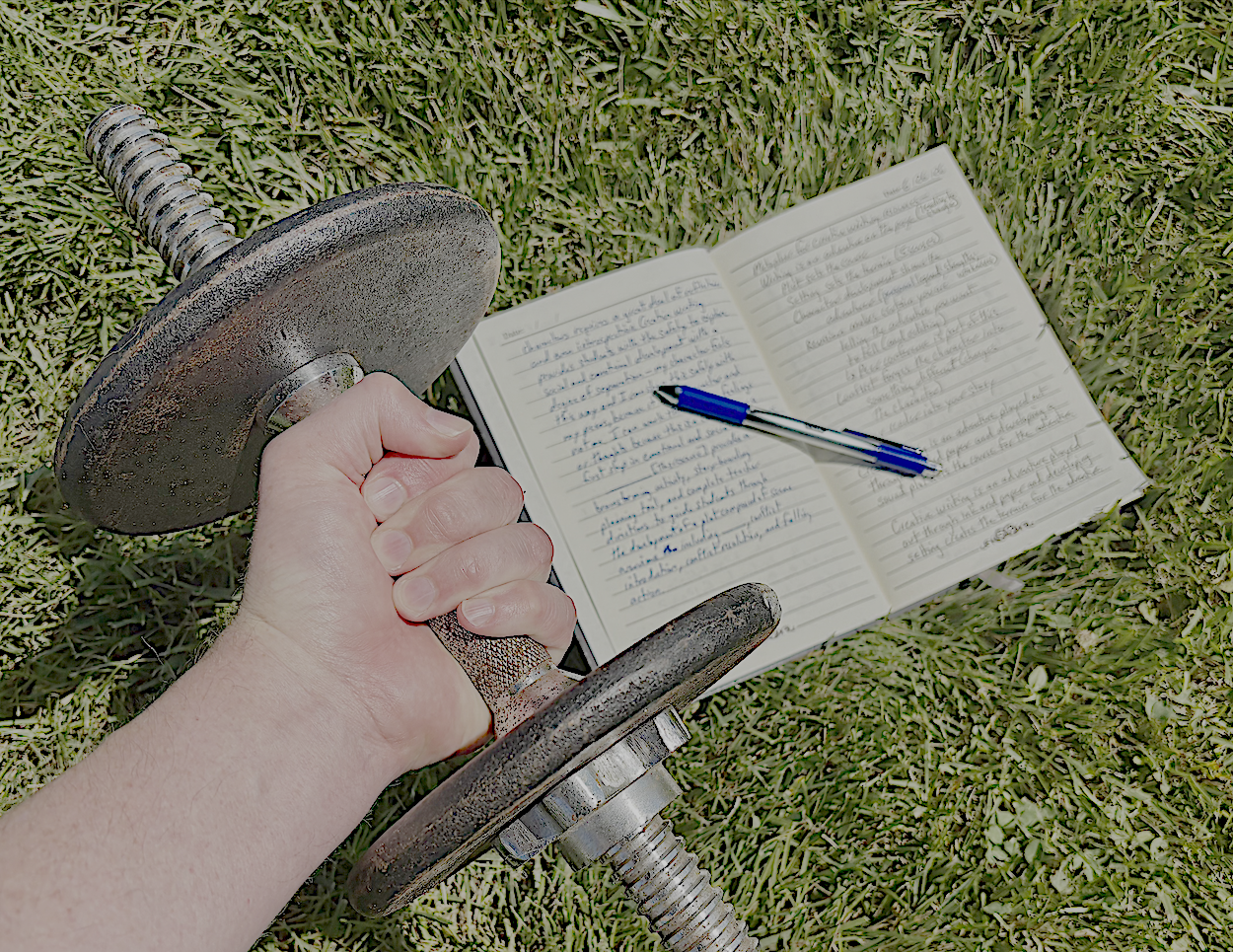
Creative Writing Workouts for Students’ Thinking
I often described to students how our brains are like muscles, and writing is a form of strength training, stretching, and endurance building all in one…
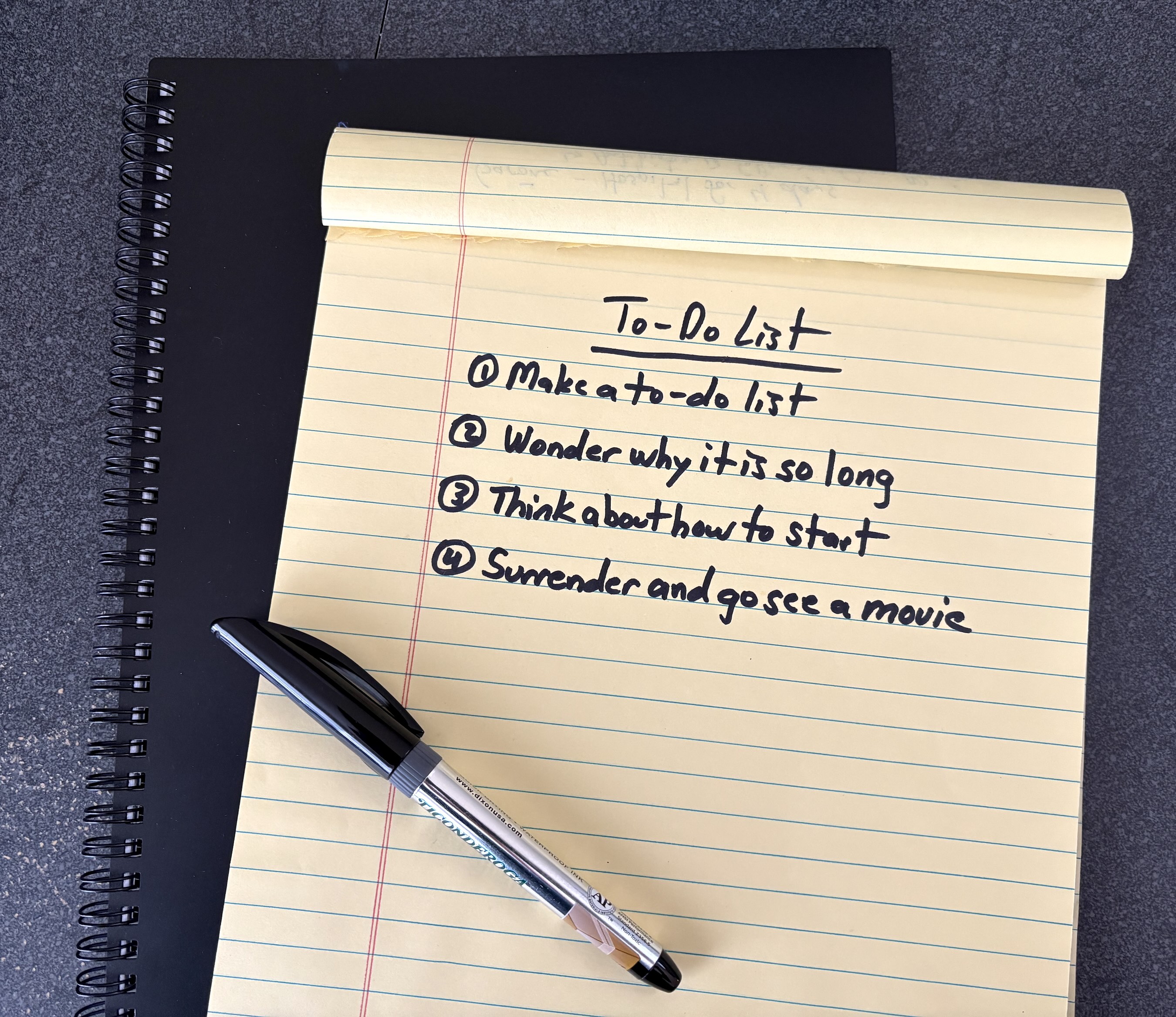
Prioritizing With Students– What Should I Do First?
We don’t give a teenager the car keys to run errands without having taught the young person how to drive, so why would we bombard students with assignments from multiple teachers without having taught them how to manage workloads?…
Dr. Gesundheit and Story-based Learning: Fiction is Not Just for Reading or English Classes
Dr. Gesundheit twists some hairs of his knotted beard. “I am so happy your school and families agreed for you to go with me to Snake Valley. We have many mysteries to solve.” He looks sideways at your teacher. “They did agree, didn’t they?”
Your teacher shrugs.
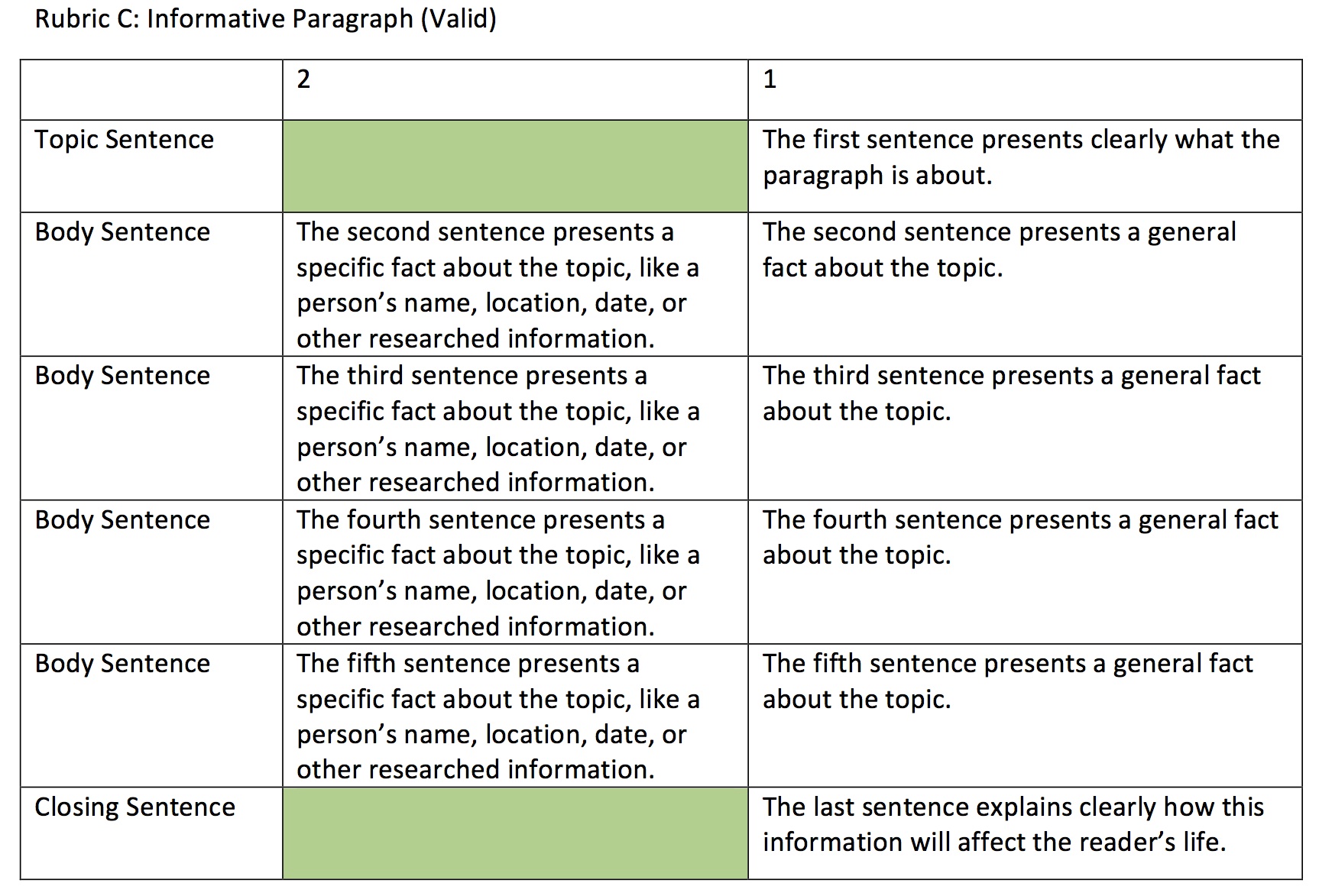
Validity in Rubric Building: Quantifiers and Qualifiers
A rubric’s validity is a matter of how trustworthy the grades are it generates. Measures are only as good as the tools providing the measurements, and, if a tool is faulty, we cannot trust the numbers it provides…

Expanding Our Understanding of Academic Intervention
Academic interventions are more than individualized action plans designed and implemented to improve failing grades. Mindfully and cooperatively designed interventions provide opportunities to build relationships and soft skills related to emotional intelligence, adaptability, and resiliency.

Flipping The Flipped Classroom
…Experiences like this led me to experiment with the flipped classroom teaching strategy, and my interest grew as access to technology and our use of it expanded during the two-thousand teens, but convincing me the flipped approach had real value for middle school students took a pandemic and a school shutdown…
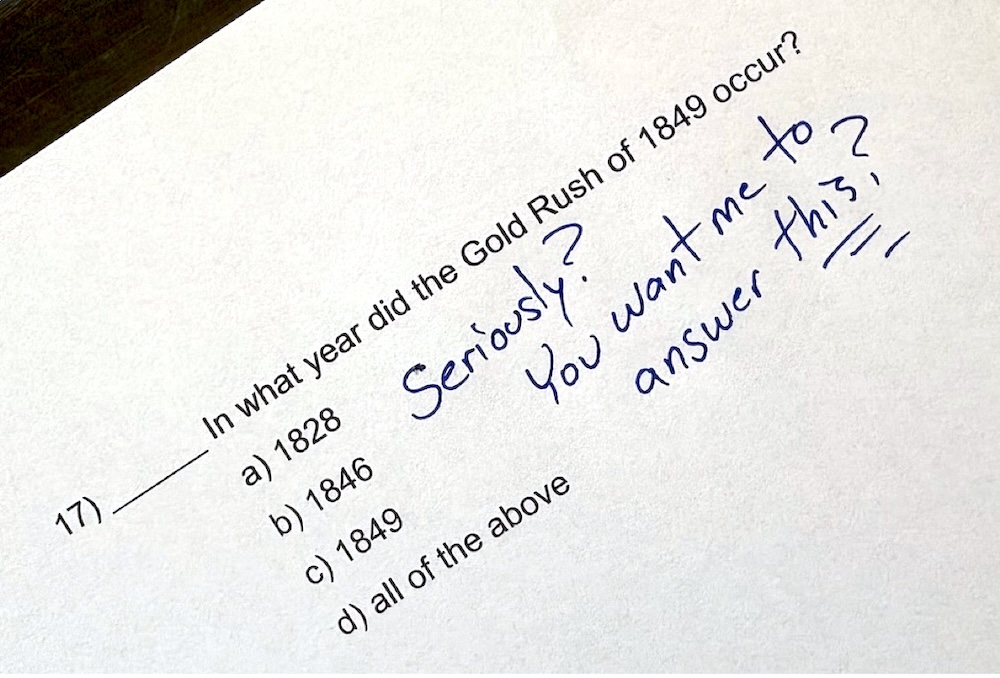
Multiple-choice Items That Measure Up
Many interns I have worked with possess the common misconception writing multiple-choice items is quick, easy, and assessments composed of these items are a breeze to administer and score. Reality sets in as they draft their first sets of questions and submit these to me for feedback.
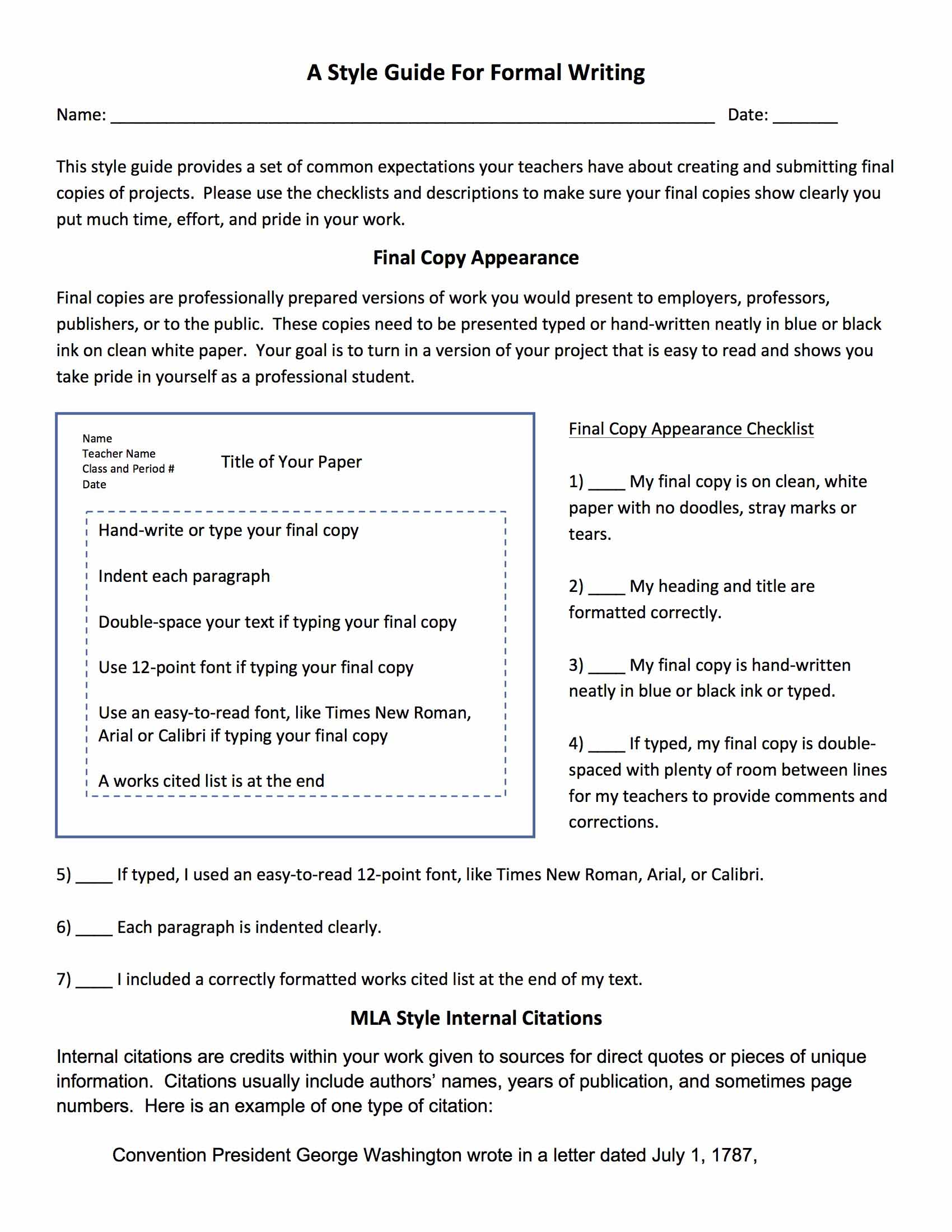
Teaching Writing Style To Middle Schoolers
Teaching students how to create well-formatted final copies, to support claims with quotes and internal citations, and to provide works cited lists can be particularly difficult if not taught and encouraged consistently across subject areas.
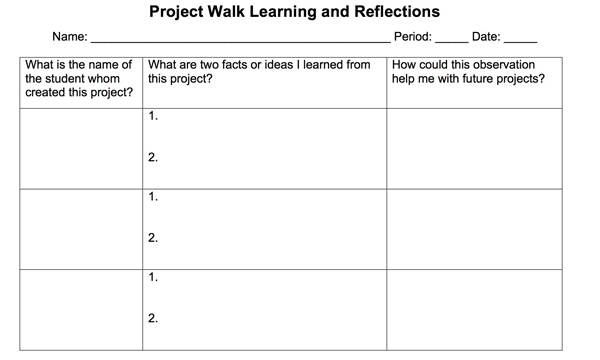
Students love to view their peers’ work, and students can learn quite a bit from structured and purposeful sharing. “Project Walks,” sometimes called “Gallery Walks,” are great opportunities for students to obtain new ideas and to consider how they can incorporate these new ideas into future work.
Dave’s Free Resources on Teachers Pay Teachers
You can download these and many other resources as a guest or create a free Teachers Pay Teachers account. Don’t forget to follow Dave’s TPT store and provide feedback for his resources.
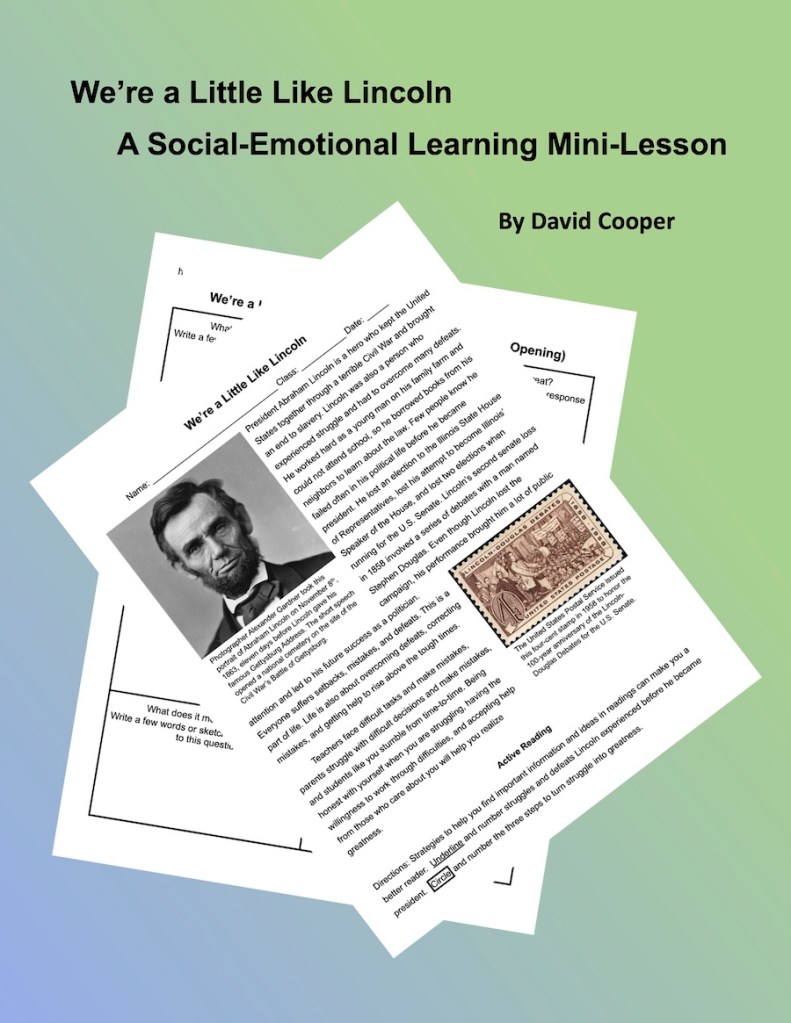
We’re a Little Like Lincoln– A Social-Emotional Learning Mini-Lesson
We sometimes overlook an emotional-health principle many pre-adolescents have difficulty internalizing— adversity and setbacks are parts of everyone’s life. “We’re a Little Like Lincoln” is a mini-lesson for grades six through eight normalizing thoughts and feelings associated with struggle by examining perceptions of “greatness” and how individuals overcome setbacks.
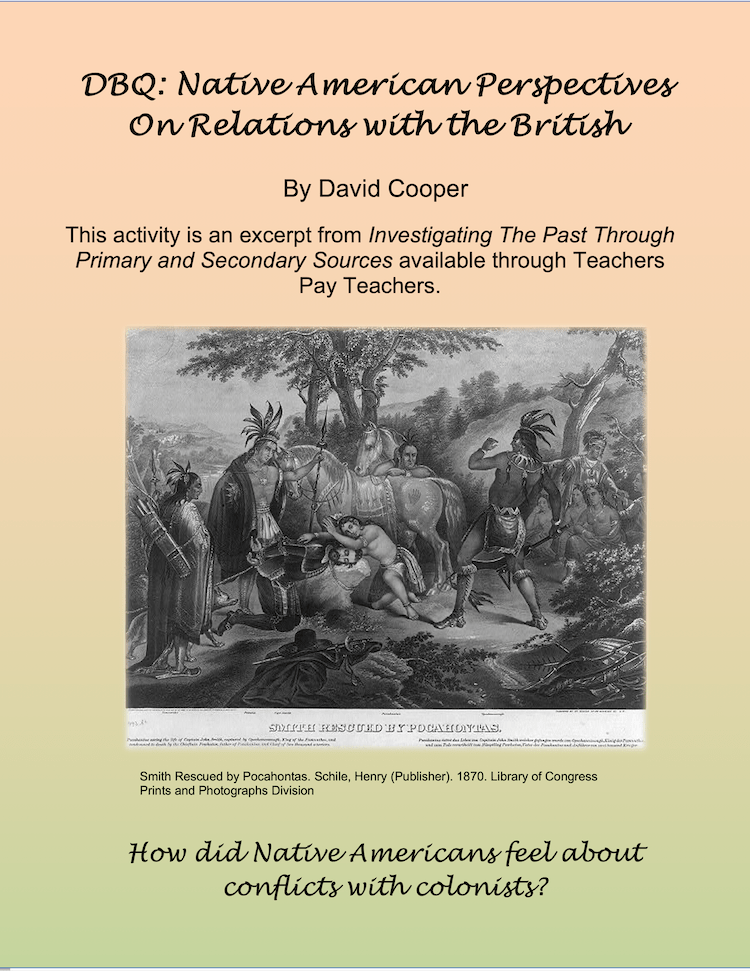
DBQ: Native American Perspectives On Relations With The British
This DBQ activity involves a conflict between Captain John Smith and Virginia’s Native Americans in 1609, during which a plea for justice and cultural understanding followed a massacre in the colony of Maryland in 1633. Students use active-reading strategies to interpret and analyze the words of two Native Americans involved in these conflicts.
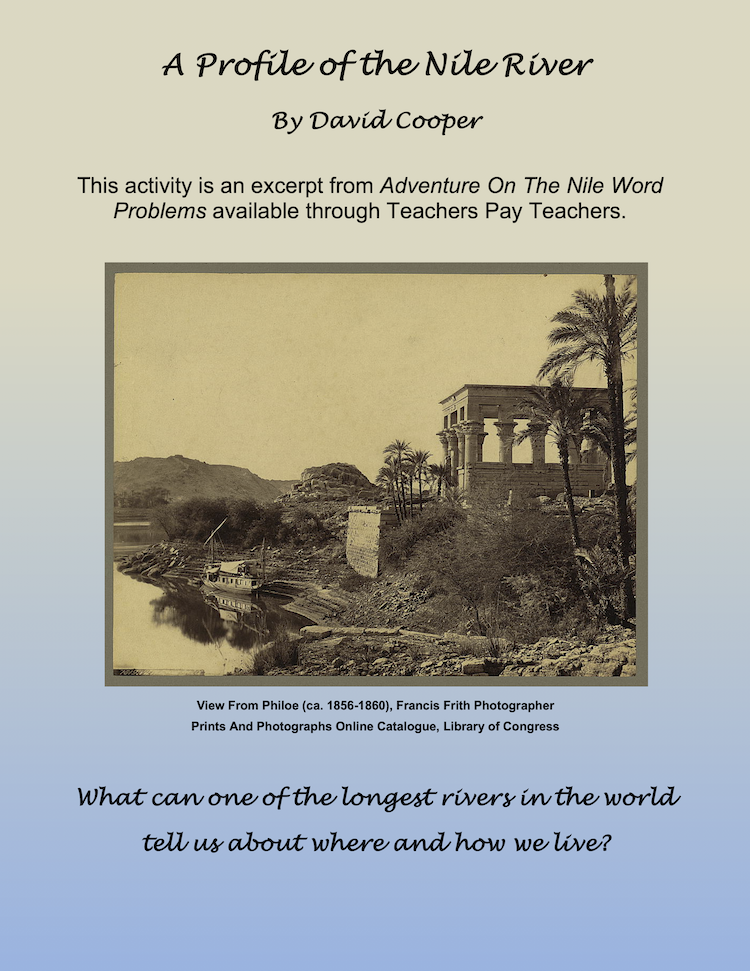
A Profile of The Nile River: An Informational Text & Comprehension Questions
The Nile River is an intriguing feature rich in history, geography, and history. Use this brief geographic overview and reading strategy as a Geography warm-up activity, an introduction to Egypt (past or present), or an introduction to the region of North Africa. The reading and connected activity address Common Core Standard RH6-8.10.
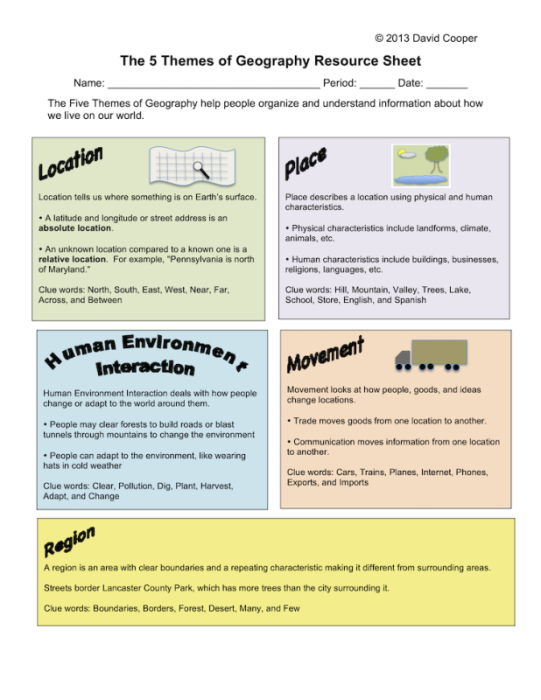
The Five Themes of Geography Resource Sheet
The 5 Themes of Geography are useful tools for analyzing locations and human interaction with geographic features. Provide this handout to students for use as a reference when engaging activities involving the themes. The handout’s “clue words” are in-text signals some students may find helpful when connecting content to themes. These words can also serve as the basis for a micro-lesson on using context clues when analyzing geographic information.
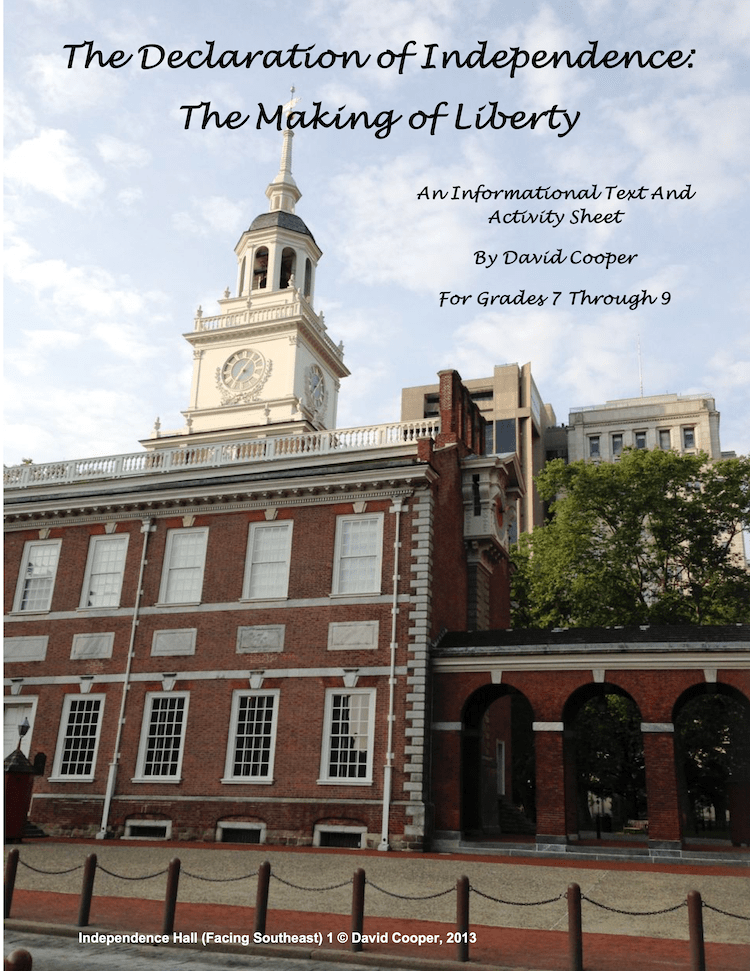
The Declaration of Independence: The Making of Liberty Informational Text and Activity
Much can be learned about how the United States came to be and what drives its government today by knowing more about the Declaration of Independence. This stand-alone two-page informational text and activity are parts of a larger work entitled Analyzing The U.S. Declaration of Independence also available from Teachers Pay Teachers.
Online Article
Design a Book: A Quest in Ancient Egypt
Students combine research, organization and planning skills, and fiction writing to create Choose-Your-Own-Adventure style books.
Middle Level Learning pp. M9-M15 copyright 2005 National Council for the Social Studies


You must be logged in to post a comment.