On a basic level, artificial intelligence is based upon the theft and recycling of writers’ ideas and word-craft— the works of artists and intellectuals of all sorts, really— who have uploaded the fruits of their sweat and hard-won skills into the cloud. Pretty cynical, I know, but perhaps an important realization in trying to figure out where to go next. A.I., after all, is evolving and changing the arts for the good and bad whether we like it or not. I see two possible ways forward for those of us who write. One is not very practical (but fun to consider). The other may just lead to an interesting future.
First, publishing exclusively in print media. Search engines and web crawlers still can’t reach our book cases and nightstands (I think), so why not offer books only as print copies through book stores, print-on-demand, and our author websites? Put up the walls and see what artificial intelligence can do if we starve it of new creativity? Sounds good, even vindictive, but not really do-able; however, something to reflect upon next time we want to offer ebooks or upload lengthy previews.
Second, we rethink what is for sale— this is the turning the industry on its head, part. Peter Gabriel is my favorite singer and songwriter. He has released his newest “album” a song at a time on the full moon of each month. Listeners can purchase each new song or simply listen to it on YouTube. He doesn’t seem too concerned about piracy. Here’s the real kicker, and something about which he received some online backlash. He encourages fans to use artificial intelligence to remix and create videos for his music. Maybe, for him, the real money is in the performances and appearances artificial intelligence cannot replicate?
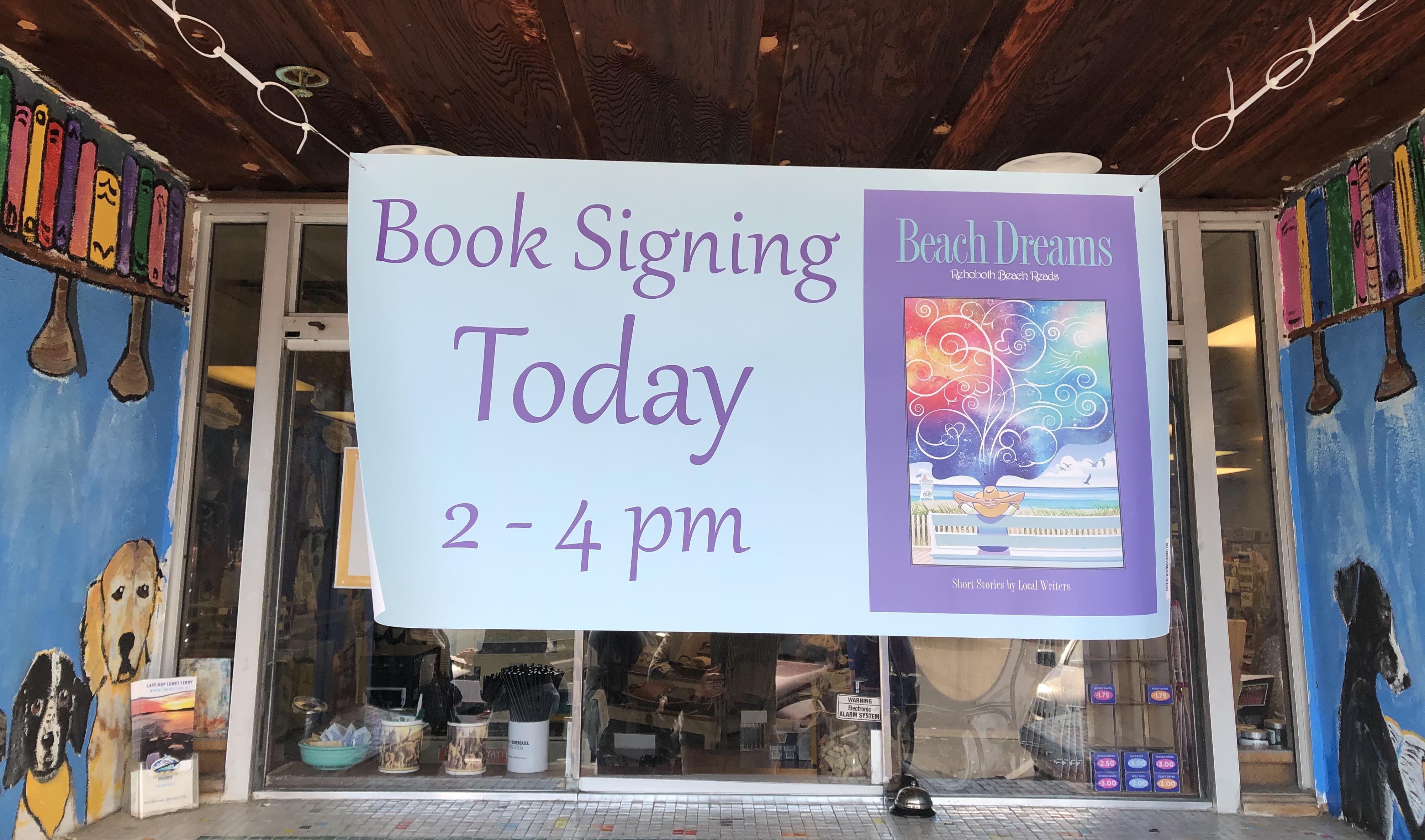
Most of us are not Peter Gabriels, but we can learn something from what he is pioneering. Panel discussions, workshops, meeting readers, and all of the other real-world interactions we use to get our works into readers’ hands may become our bread and butter. Instead of using these experiences to sell our work, maybe we use our work to sell the experiences. Something to think about.
I am in no way excusing the unethical and unregulated use of artificial intelligence. If we are not careful, copyright will become a toothless relic of the pre-artificial intelligence age. At the same time, reality dictates we think long and hard about how we continue as creators, how we foster future generations of creators in a world where some believe a string of keywords can replace genuine imagination and skill.
 david cooper writing
You must be logged in to post a comment.