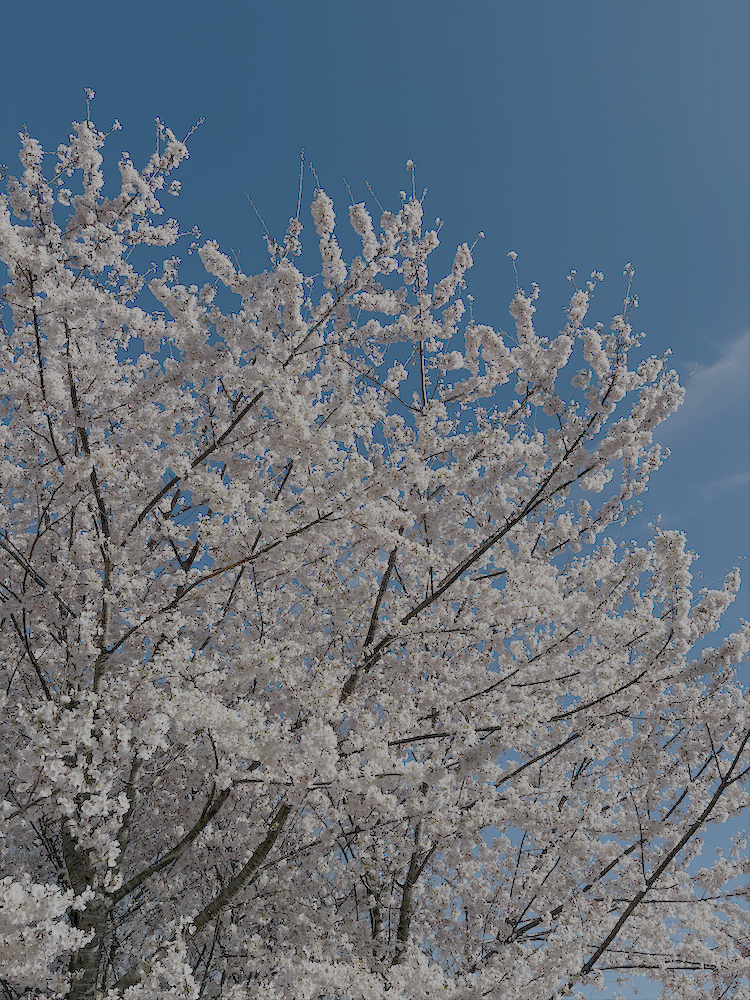
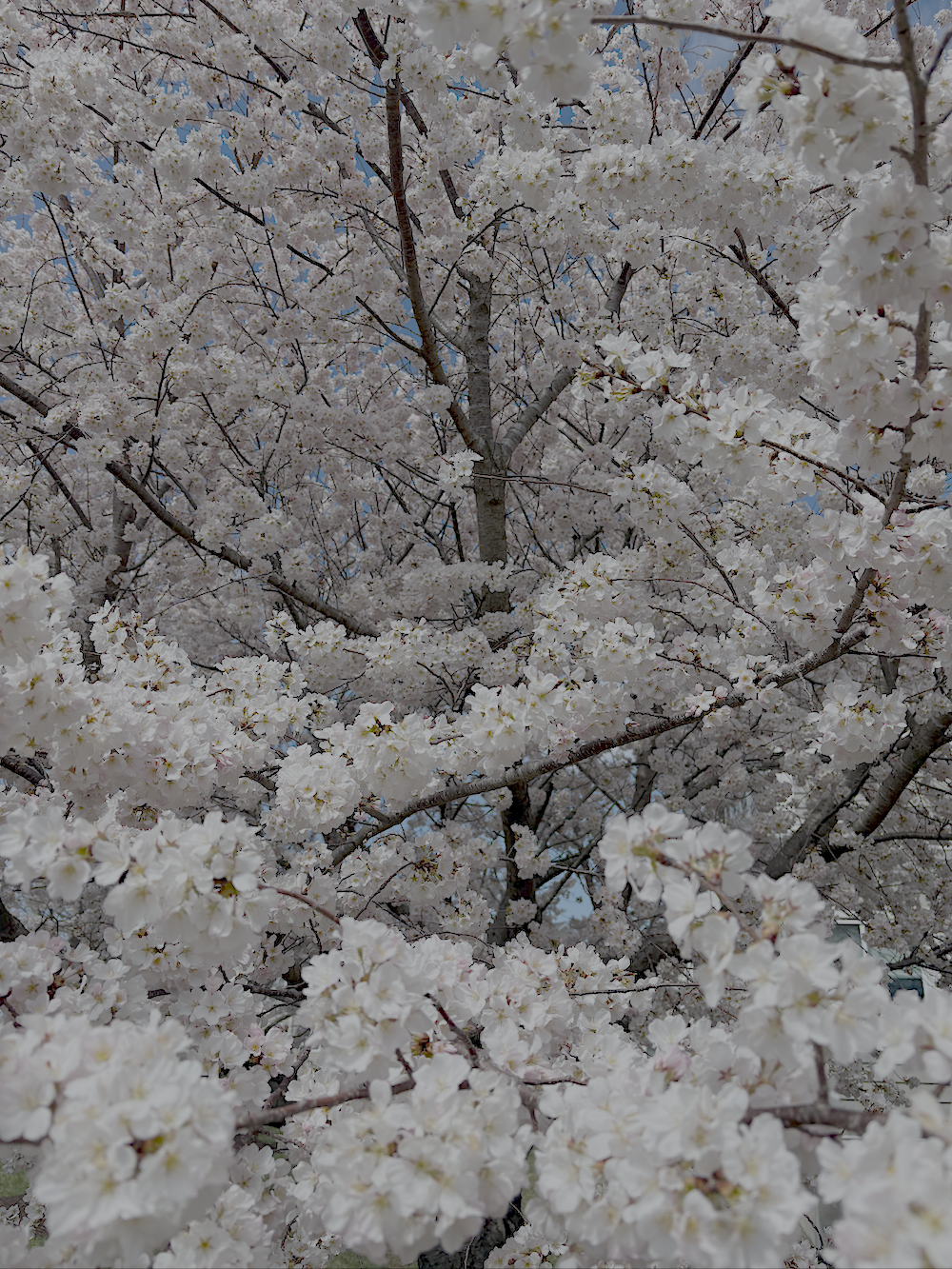
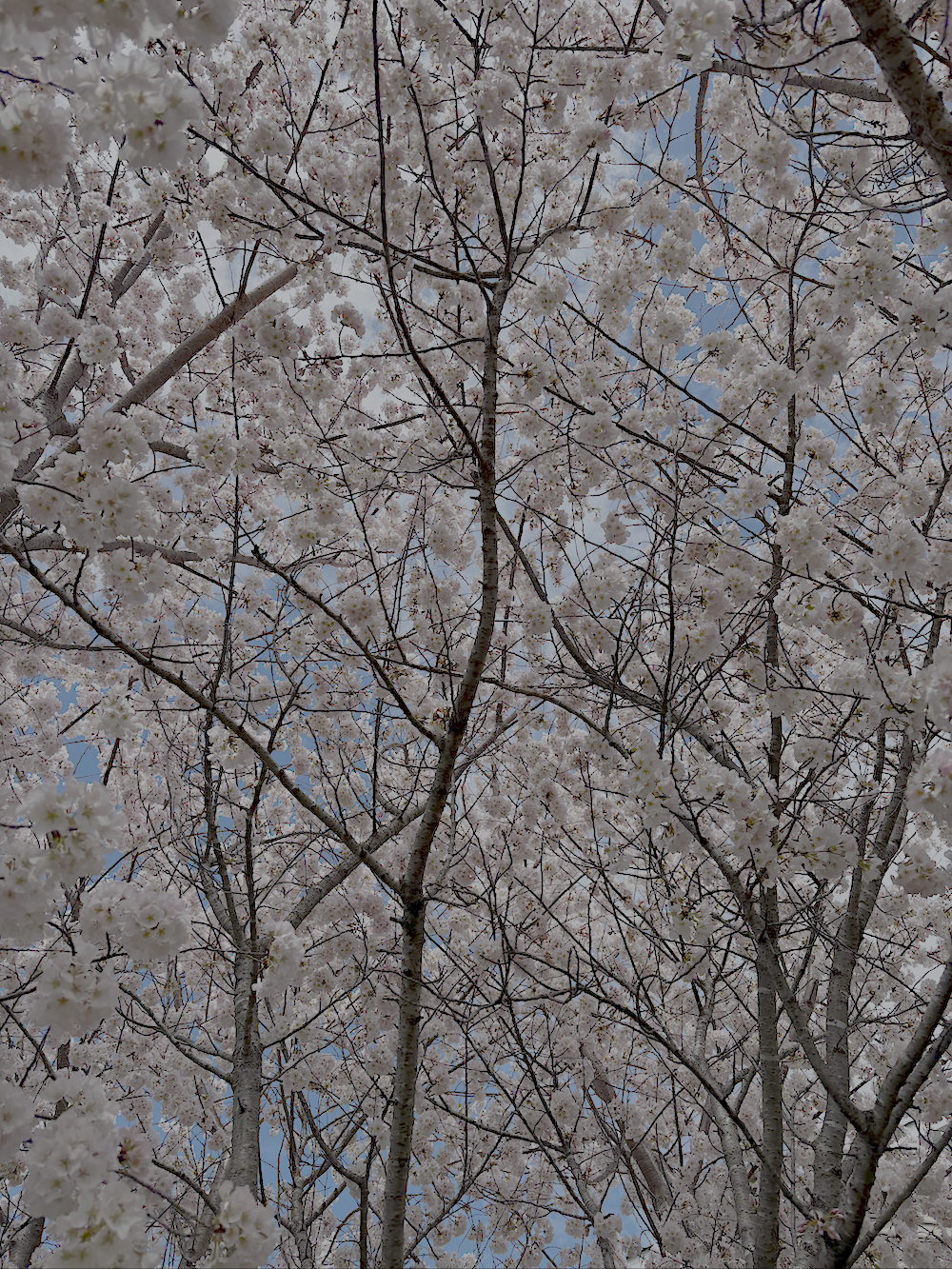
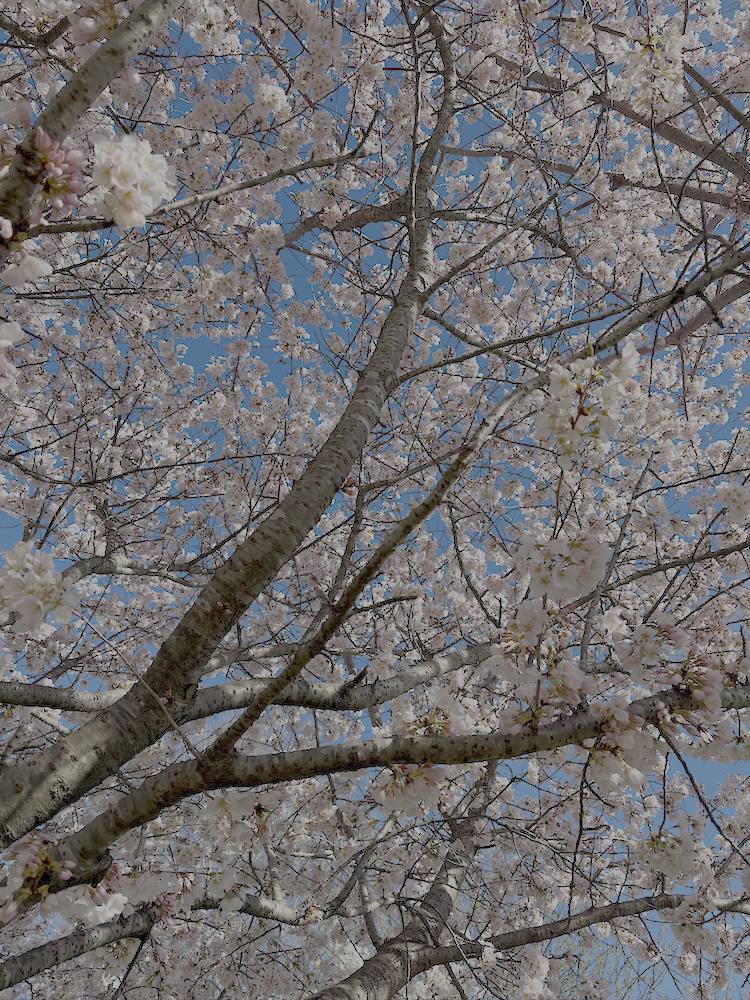
The cherry tree outside our window is covered in blossoms creating a white and pink cloud glowing in the sun. This is the first time Judy and I have been able to enjoy the tree’s peak bloom since moving to Rehoboth Beach.
I can think of few better promises of summer, and I feel a strong urge to preserve what we see before the petals fall and blow into a nearby field. As much as I manipulate my camera and try different angles, I just don’t seem able to photograph the full beauty we observe, and this experience reminds me of poet Matsuo Basho.
Basho lived in Japan during the late 1600’s. He and his contemporaries experimented with poetic forms, and historians credit Basho with being the first to master what is known as traditional haiku, stand-alone three-line poems of five, seven, and five syllables. Haiku of the time captured precise moments, impressions, and almost always involved elements of nature.
This haiku written by Basho in 1687 about cherry blossoms is a great example:
Hana no kumo
kane wa Ueno ka
Asakusa ka
Cloud of blossoms—
the bell at Ueno
or Asakusa?
(Note: Basho’s haiku is in the traditional 5-7-5 structure when it appears in its native language.)
Basho captures the precise moment he hears a bell while peering into the branches of a blooming cherry tree and wonders if the sound comes from the Buddhist temple in Ueno or the temple in Asakusa, two precincts within the ancient city of Edo—modern Tokyo. Basho copied this cherry blossom haiku in calligraphy and gave copies to those he encountered on his walks within Edo.
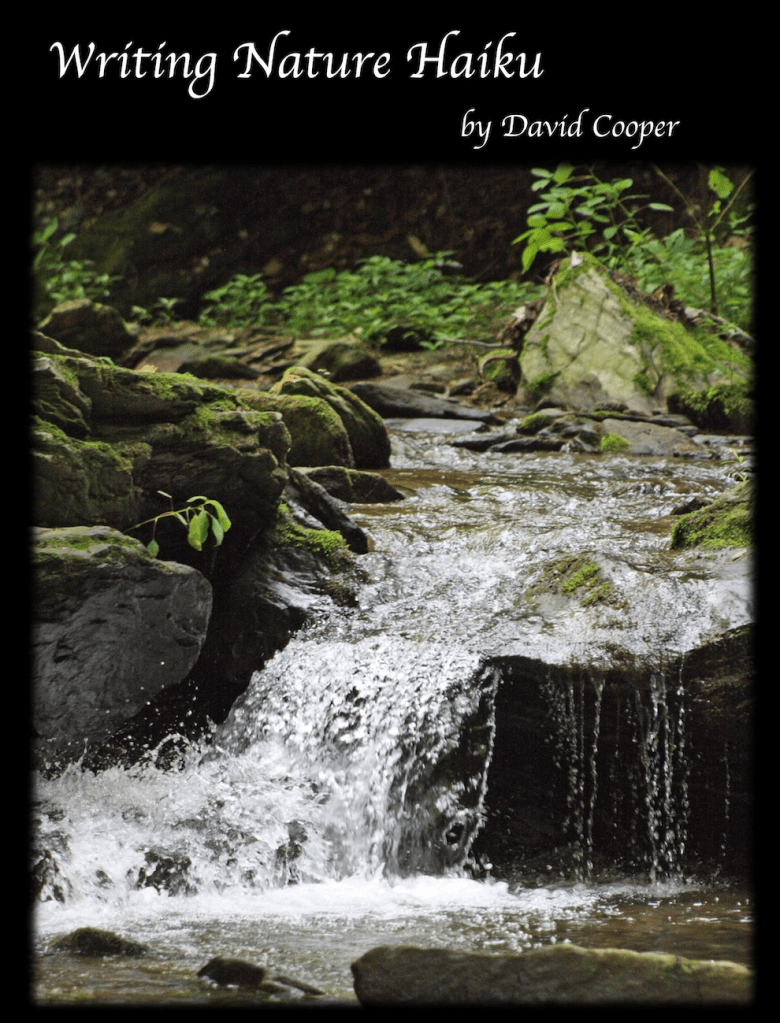
“Writing Nature Haiku” is a copy-ready resource helping fourth through sixth graders build connections between nature, thoughts, and the creative use of language. Students use a six-step process to collect observations and impressions of natural scenes then preserve their thoughts in traditional haiku. “Writing Nature Haiku” consists of detailed teacher instructions including a brief teacher-modeling activity, a three-page handout, final copy sheets and rubrics, and nine high-resolution photographs for classroom use.
My experience with our cherry tree makes me wonder, if a photo is worth a thousand words, what if seventeen carefully chosen syllables could capture a moment more completely than a photo or an essay?
Sources:
“Basho.” Poetry Foundation. Accessed 3/30/26. https://www.poetryfoundation.org/poets/basho.
Shinji, Fukasawa. “Edo in the Spring.” Nippon.com. Accessed 3/30/26. https://www.nippon.com/en/japan-topics/b09613/
 david cooper writing
You must be logged in to post a comment.