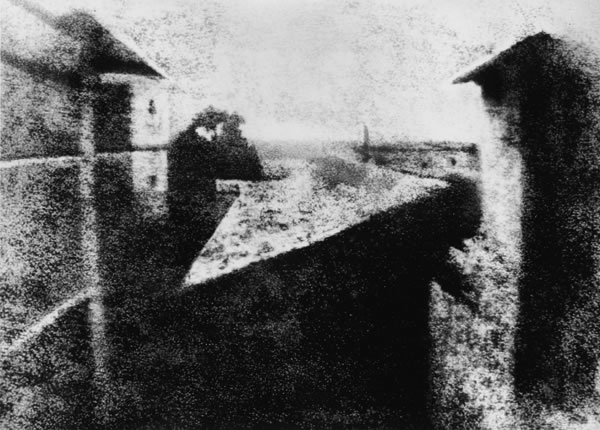
Joseph Nicéphore Niépce, a French inventor, created the oldest surviving photograph in 1826 or 1827, a view through the window of his home. Niépce used a lens to focus light onto a pewter plate covered in Bitumen of Judea, a naturally occurring light-sensitive petroleum. Little did he know his camera would have a considerable impact on the U.S. Civil War.
Photographic technologies advanced and spread quickly through Europe and The United States. The invention of the Daguerreotype, an image captured on a chemically treated silver-coated copper plate, made the use of photography more commonplace, but long exposure times required subjects to remain motionless under very precise and controlled settings. The Wet-Plate/Collodion Process developed and used extensively from the 1850’s through the early 1900’s captured images on glass plates coated with light-sensitive chemicals. This process spawned a variety of new photographic techniques, allowed for portable equipment, and reduced exposure times.
Photographers took their cameras out of controlled studios, captured more natural and spontaneous images, and shared their work with large audiences. Civil War camps, hospitals, and battlefields provided high-demand and lucrative subjects. Photographs brought the victories, heart break, and horrors of the United States Civil War to the day-to-day lives of its citizens.
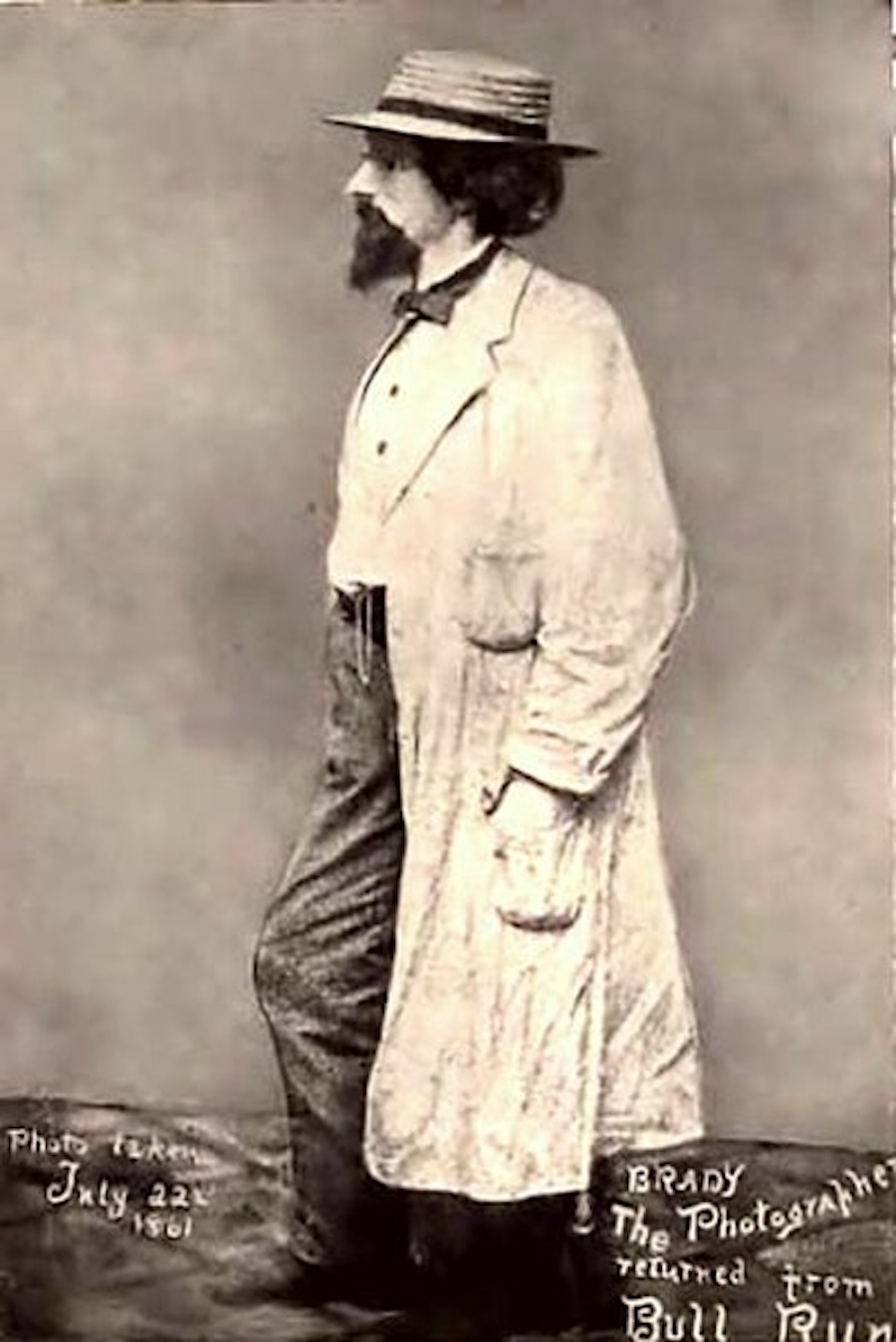
A team of photographers led by Mathew Brady and including Tim O’Sullivan, George Bernard, and Alexander Gardner collected over 6000 images during the Civil War. Many of these images have been preserved by the Unites States National Archives and Library of Congress.
An October 20th, 1862 New York Times reporter described a showing of photographs from the Antietam Battlefield held at Mathew Brady’s gallery. “Mr. Brady has done something to bring home to us the terrible reality and earnestness of war. If he has not brought bodies and laid them in our dooryards and along the streets, he has done something very like it.”
Civil War Photography and Camp Life explores the use of photography during The Civil War and provides students in grades six through eight with first-person perspectives into the lives of the era’s soldiers. Click here to visit Dave’s Civil War Photography and Camp Life page at Teachers Pay Teachers.
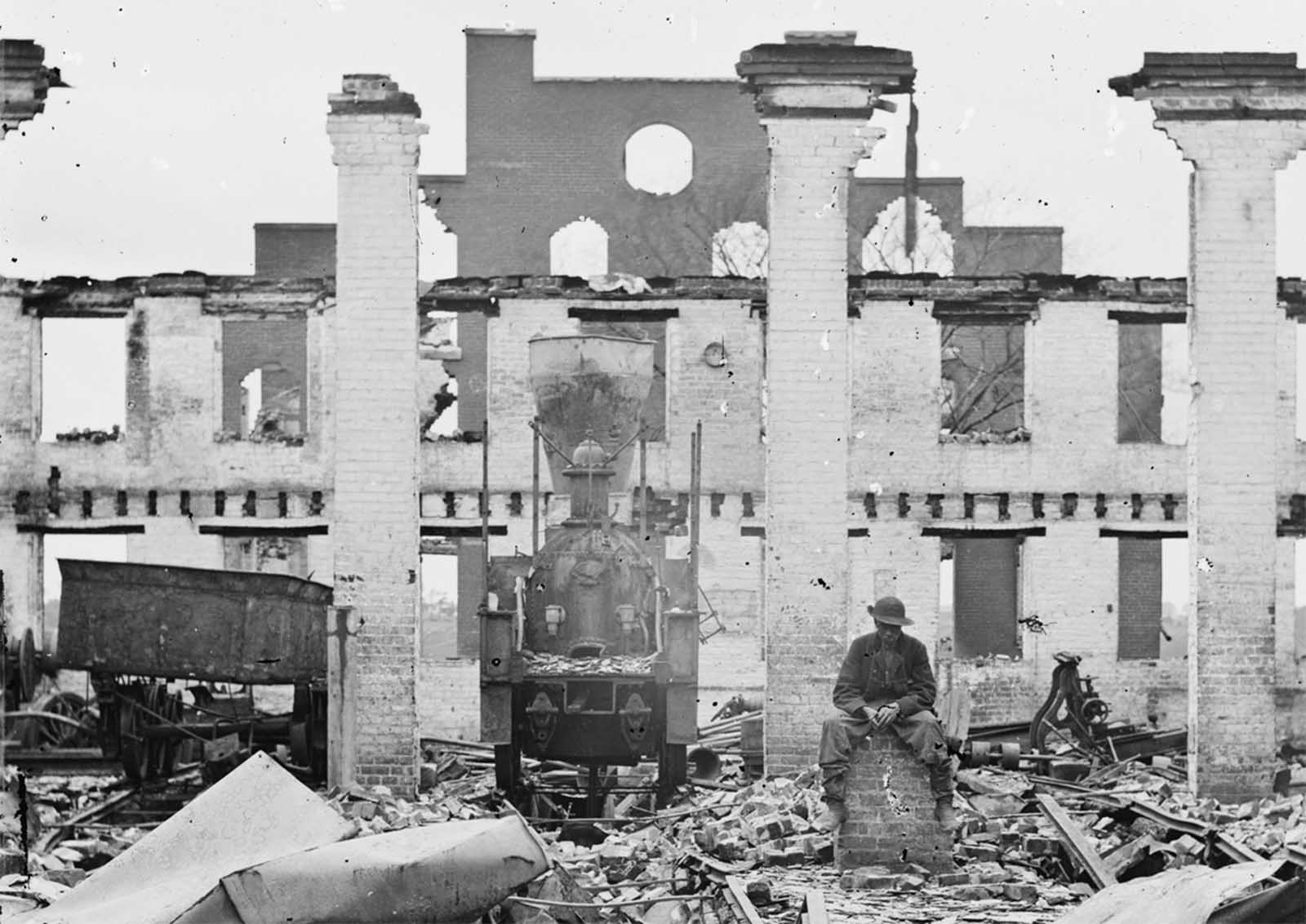
Most civilians never saw a battlefield and could only imagine soldiers’ sufferings based upon newspaper stories or tales shared by those returning from combat—until photographers gave civilians something to see.
“Crowds of people are constantly going up the stairs; follow them, and you find them bending over photographic views of that fearful battle-field…” Witnessing war’s realities meant questions for those in power, expectations for leaders to provide answers, and pressure to end the fighting as soon as possible.
 david cooper writing
You must be logged in to post a comment.