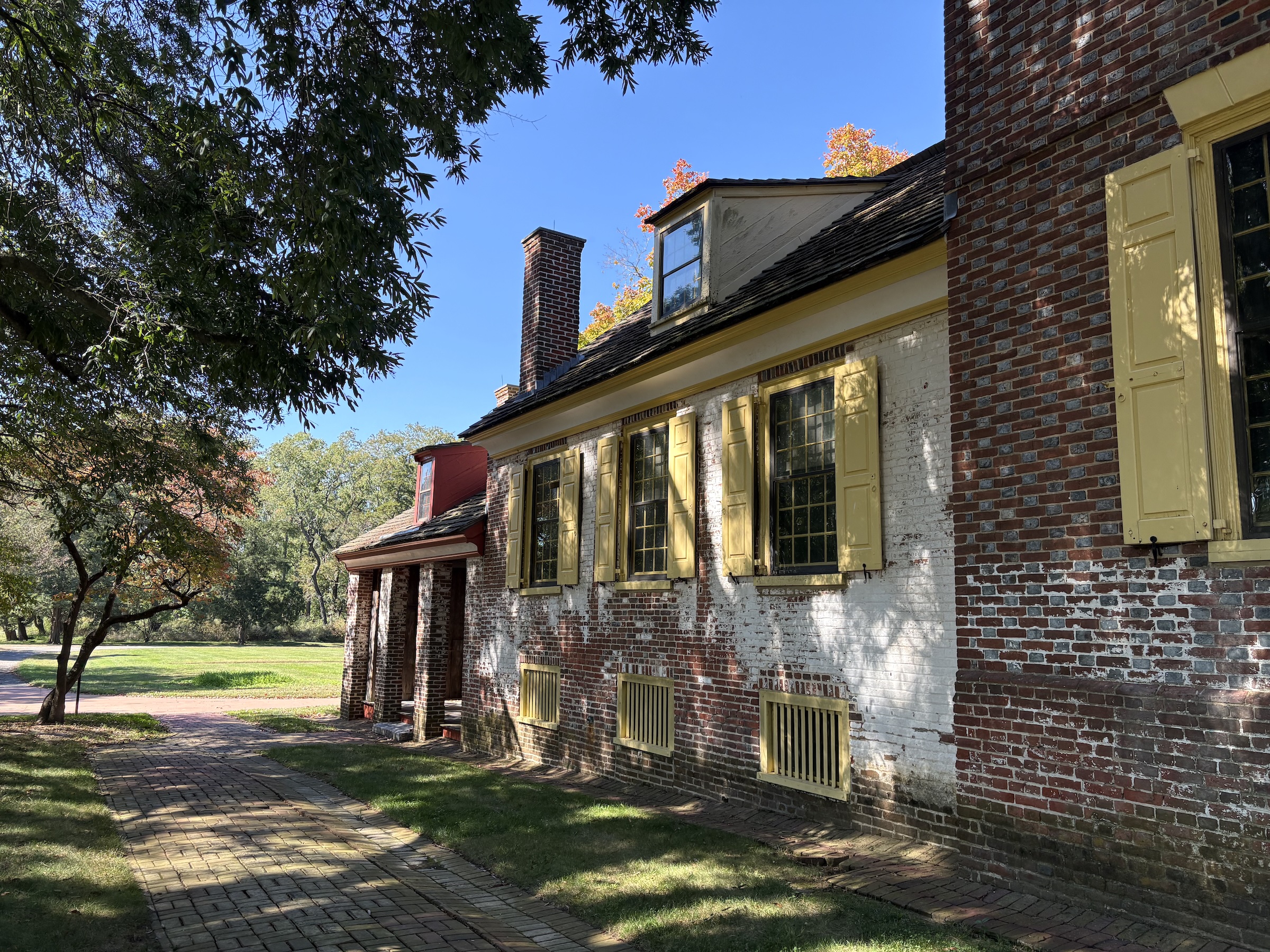
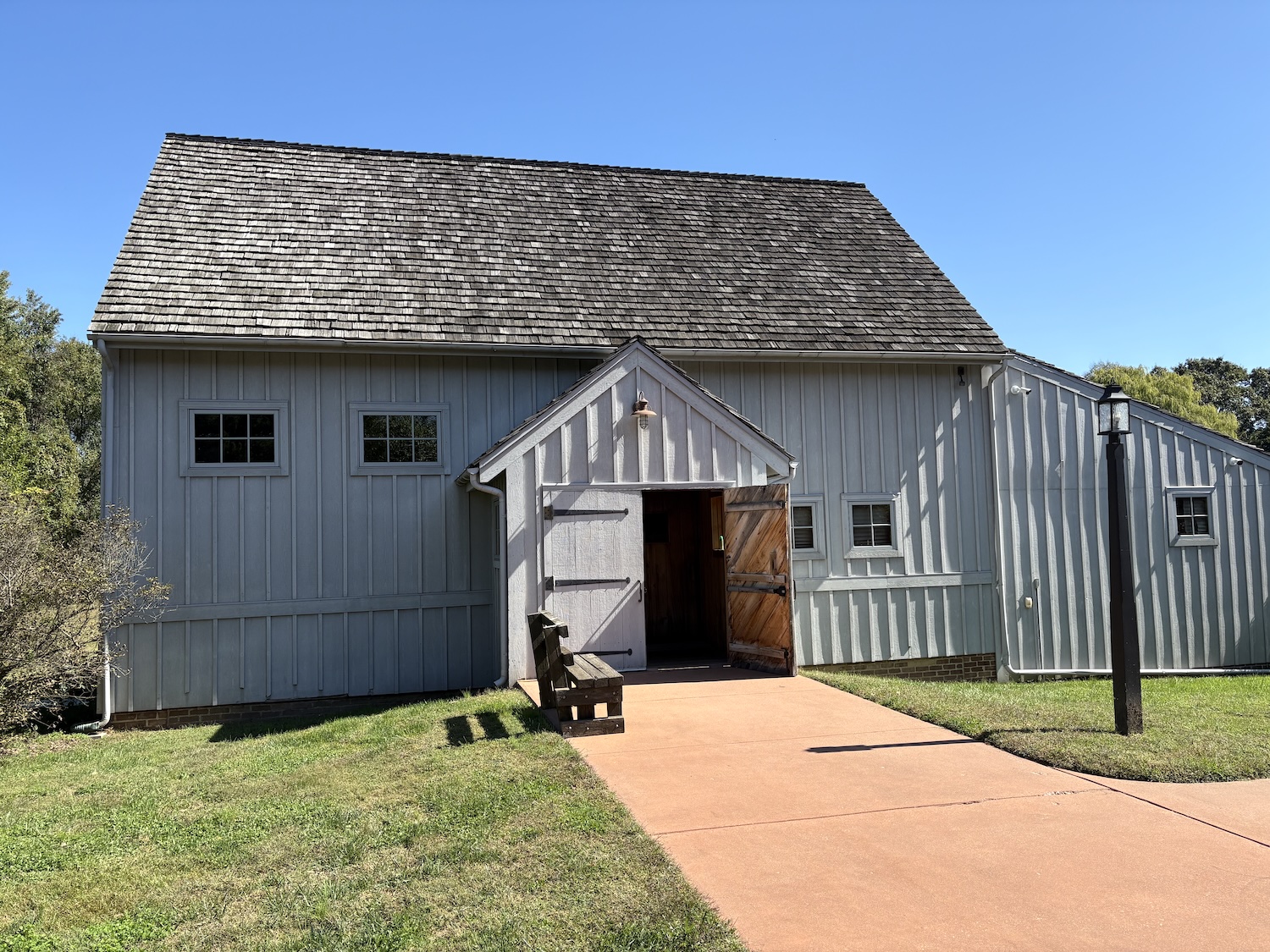
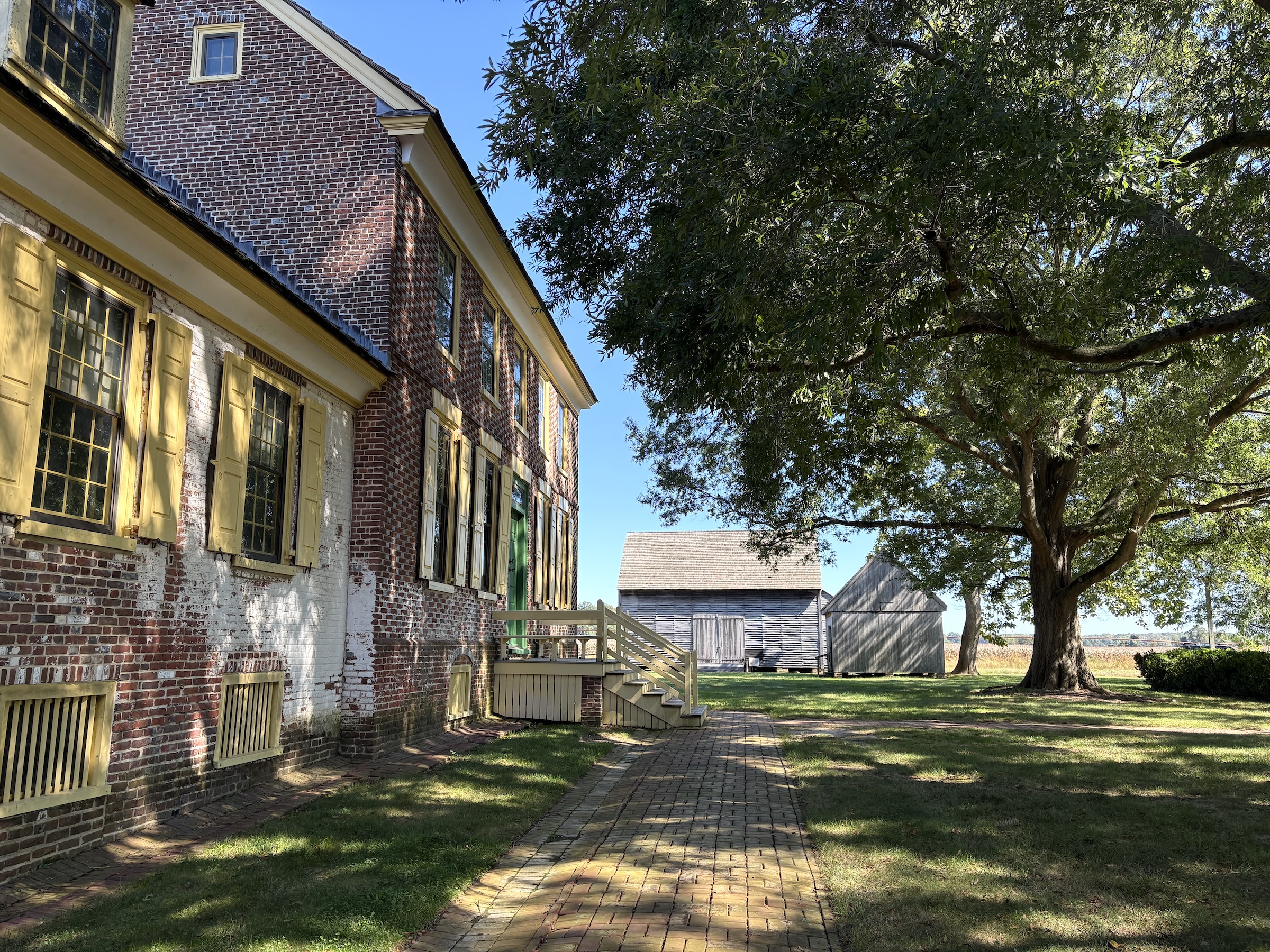
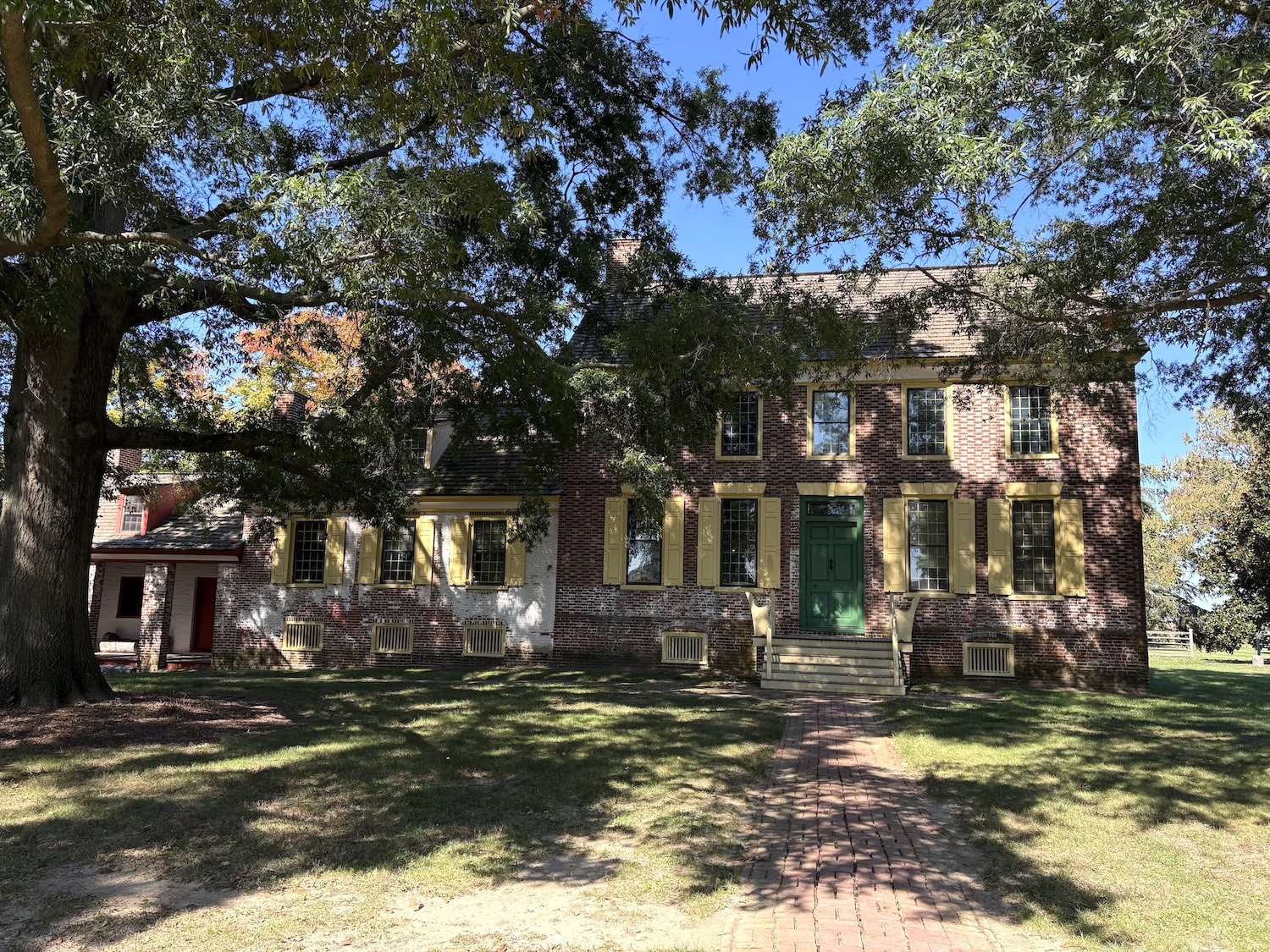
Judy and I visited recently The John Dickinson Plantation, a historic site located off Delaware’s Route One just south of the Dover Air Force Base and managed by Delaware’s Division of Historical and Cultural Affairs. We wandered the grounds for about a half-hour then took an information-rich hour-long mansion tour.

Dickinson earned the moniker “The Penman of the Revolution” due to his exceptional writing skills and sensibilities when dealing with combustible topics. He published a series of essays entitled “Letters from a Farmer” protesting British Parliament’s imposition of taxes upon the colonies without due representation. These essays catapulted him into the growing colonial protest movement.

The First Continental Congress favored Dickinson’s draft of the “Petition to the King” from several others, which called for the repeal of the Intolerable Acts. Congress chose Dickinson’s even-keeled version above those of Virginia’s Richard Henry Lee and the fiery revolutionary Patrick Henry. Congress called upon Dickinson’s reasoned and relatively restrained style once again to draft “The Olive Branch Petition,” a last-ditch effort to convince the king to reconcile with the colonies to prevent war.
The call for revolution came shortly after the failed “Olive Branch Petition,” and Dickinson took the controversial stance (among his peers) of not signing the Declaration of Independence. He argued congress should wait for a greater sense of unity between the colonies and for foreign support before taking military actions. Despite his reluctance to sign the declaration, Dickinson played a key role in composing the Articles of Confederation, the United States’ first attempt at a centralized government. He also joined the Delaware militia as a private, served on the lines for a brief time, then continued his support of the revolution by procuring supplies for Delaware’s soldiers.
Check out this information-rich website for more information about the museum and Dickinson:
Our visit to Dickinson’s plantation included some great primary source materials regarding those who lived and labored there. The museum staff demonstrated substantive and ongoing efforts to represent the people enslaved by Dickinson and his family. Addressing head-on the contradictions and injustices perpetrated by our republic’s founders and recognizing the contributions of the enslaved to the very fabric of our nation are crucial to creating a complete and accurate picture of our heritage– and to understanding some of our modern social dynamics.
I look forward to visiting the Dickinson Plantation again soon to see how the museum continues to develop their interpretations of the site, Dickinson, and those surrounding him.
 david cooper writing
You must be logged in to post a comment.