A knock on your classroom’s door stops your math lesson. You look up from your book and see your teacher crossing the room.
“Students, he’s here! Please welcome Dr. Gesundheit!”
The special guest your teacher has been talking about for weeks bounds through the door. “Hello, everyone!”
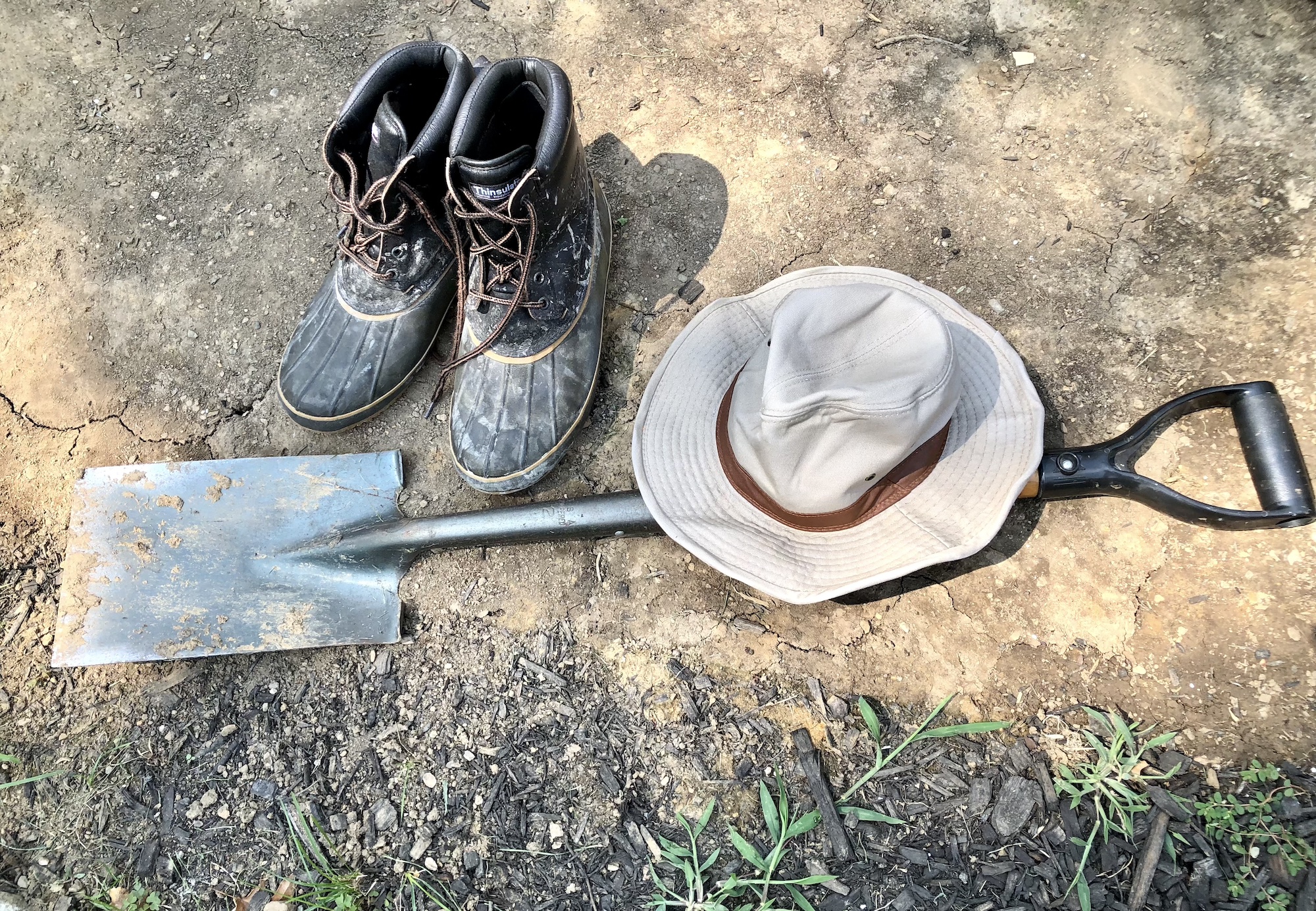
You can’t believe your eyes. Dr. Gesundheit stands not much taller than you. Wild and curly gray hair pushes out from under a wide-brimmed tan hat. Heavy rubber boots seem out of place at the ends of scrawny bird-like legs. You wonder how he can lift his feet to walk. Gray wool socks rise to knobby knees. A thick brown-leather belt holds up tan cargo shorts. A faded green vest with lots of bulging pockets covers an even more faded olive-green shirt.
Dr. Gesundheit twists some hairs of his knotted beard. “I am so happy your school and families agreed for you to go with me to Snake Valley. We have many mysteries to solve.” He looks sideways at your teacher. “They did agree, didn’t they?”
Your teacher shrugs.
Why use stories in content areas other than reading and english?
Engaging imagination and creativity– bringing the elements of wonder– to non-fiction topics through fiction is a powerful way to engage students. Dr. Gesundheit is a character I created years ago to help me address a question posed by my middle school students, “How do we know about people if they didn’t leave any records?” Getting this unprompted high-order question thrilled me, but I was left wondering how I could respond to such a big question in a meaningful and engaging way.
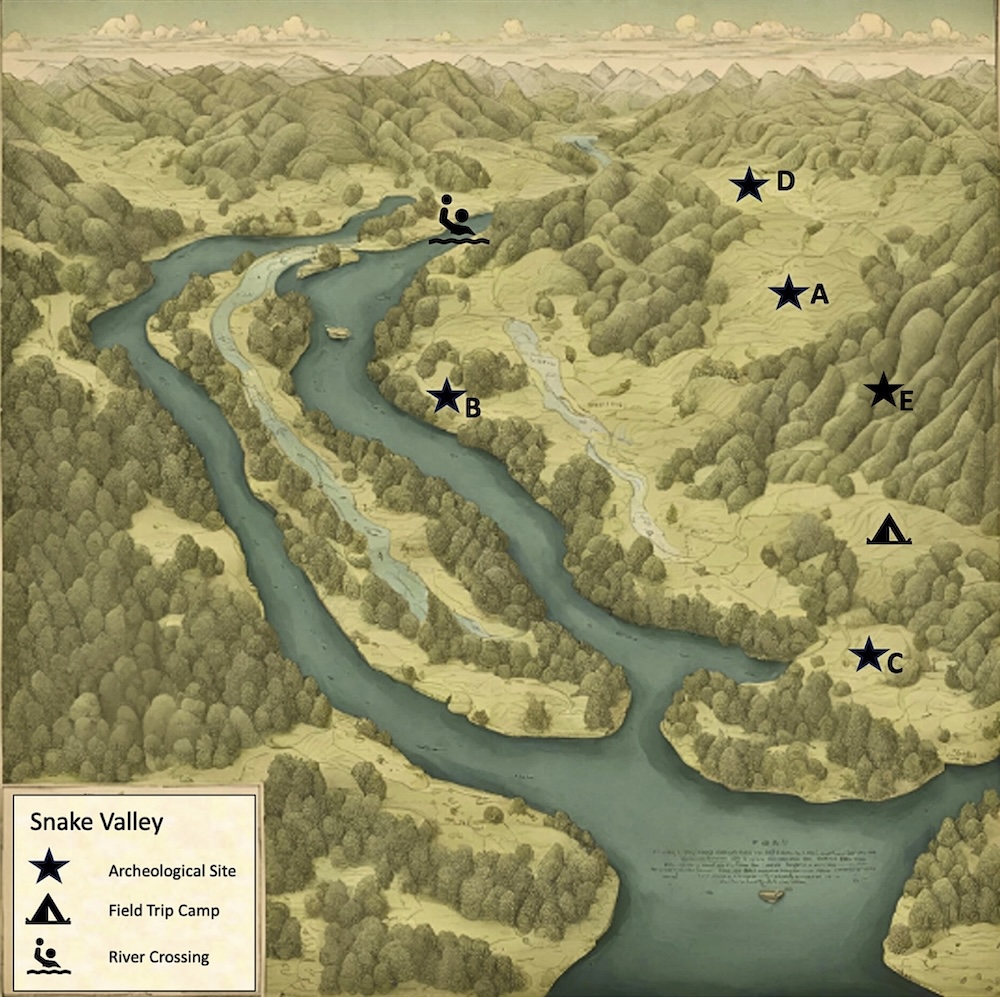
“Let me get back to you on that,” then making the time to address the concept of archeology and its methodology through a story, one that became a point of reference for other topics during the year, satisfied an important instructional need while engaging imaginations with an adventure. If this need had gone unfulfilled, or if I had attempted to use direct instruction and not reached my students, they may have questioned the validity of the rest of our curriculum– he’s just making this up as he goes along. The story enabled me to address the fundamentals of archeology, something with the potential to be very dry, by engaging students’ imaginations.
Where do I find short stories complementing my content?
You don’t need to be a fiction writer to use this instructional approach. Your best resources are your school librarian and reading specialists. They can point you in the direction of immersive and imaginative resources taking your students beyond textbooks and dry online learning modules. Here are two collections of short content-related works and a children’s book to use with middle grade students they may recommend…
You Choose History series of choose-your-own-adventure type stories based upon historical events and eras.
Scholastic Book’s I Survived series of adventure stories based upon weather events work very well for grades 4 through 6 science classes.
The King’s Chessboard by David Birch with illustrations by Devis Grebe is a story about a man requesting payment for a service to his king in the form of a grain of rice for each square of a chess board, which is doubled each day– a great fictional resource to introduce and explore exponents.
View the video for more information about Dr. Gesundheit and The Mystery of Snake Valley.
How can I use short stories in my classroom– especially when “I have to get to my content“?
Use a short story or novella as a “hook” or lesson opening. A colleague introduced me to the You Choose History series, and we used several of these books to open our U.S. Revolution lessons. Five to ten minutes spent at the beginning of a class period reading a few pages from The Battle of Bunker Hill, stopping to discuss and poll the class about what story-line option they would choose, and continuing the story until reaching a cliff-hanger not only caught the interests of students but started them thinking about this important early Revolutionary War event. A school assembly led me to cut the continuation of The Battle of Bunker Hill from a following day’s lesson plan, but I had to reincorporate the story into the lesson to avoid a revolution of my own.
Works of content-related fiction can also serve as a lesson’s body. Students can read actively class sets from your library, digital versions accessed through online collections providers, or reproduced sets of stories no longer under copyright protection. Try to avoid the typical “read and answer the following questions” approach. Ask students to read in groups, underline or highlight passages involving your content, and annotate with explanations of how underlined passages connect to their content or why they selected the passage. Students can also identify and define new vocabulary, pose questions for future discussion or research, and connect prior learning to the story through their annotations.
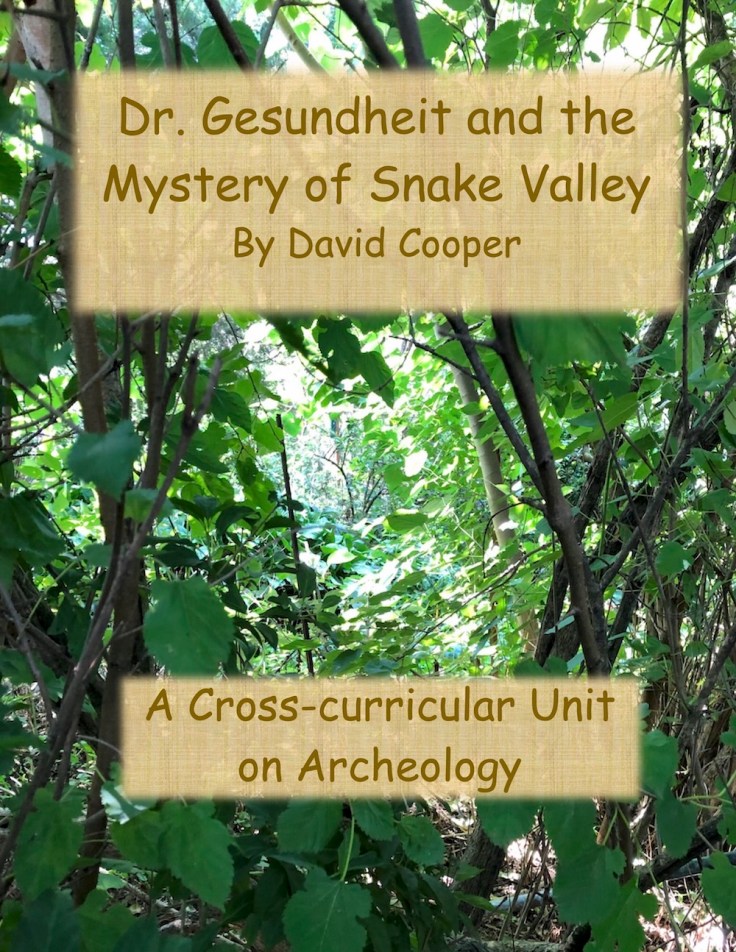
Click Dr. Gesundheit and the Mystery of Snake Valley’s cover image to visit this resource on Teachers Pay Teachers.
Using short works of fiction will engage students’ imaginations and create opportunities to address and apply your content in novel ways. Depending upon the works you select, you may even find ways to promote the relevancy of specific concepts in your students’ lives.
 david cooper writing
You must be logged in to post a comment.